
Safety upgrades - TSA engineers, installs and recertifies upgrades to a venue's existing stage systems: secondary safeties, guarding, load monitoring and modern control, documented as due-diligence evidence, Australia wide
Back to a standard you can certify.
We've got the fix. Secondary safeties, guarding, load monitoring and modern control - engineered onto the systems you already own, installed around your season and recertified on the way out. One team owns the design, the install and the paperwork.

















Whatever the trigger,
the fix is engineered.
Safety upgrades rarely start from a blank page. They start from a report, an incident file or a system nobody can vouch for. Wherever yours starts, the path is the same - establish the evidence, engineer the fix, install it, recertify it.
An inspection failed something
A Medium or High finding comes with a rectification timeframe. We engineer and deliver the fix inside it - whoever wrote the report.
An incident or a near-miss
After the immediate response comes the permanent fix - engineered, installed and documented so it holds up to review.
An ageing system you no longer trust
No paperwork, unknown history, original controls. We establish what is there, then upgrade it to a state you can certify.
Where an upgrade sits
After the finding. With proof.
Where a safety upgrade sits: after the finding, with proof, and with one team.
| The step after the finding | A Venue Systems Health Check or another inspector's report grades what failed. We engineer the fix. |
|---|---|
| Proof | Central Queensland University was missing a safety device. TSA designed and retrofitted one to the existing system: due diligence shown without a teardown. |
| One team | Scenic, rigging, automation, drapes and electronics, in-house, so the load path, control layer and certification stay together, from fit-out to commission. |
Keep what works.
Fix what does not.
A safety upgrade brings an existing venue's stage systems back to a certifiable standard: secondary safeties, guarding, load monitoring, E-stop coverage and modern control engineered onto equipment you already own. You keep what works; we engineer, fit and recertify what does not. One party owns the design, the install and the paperwork, Australia wide.
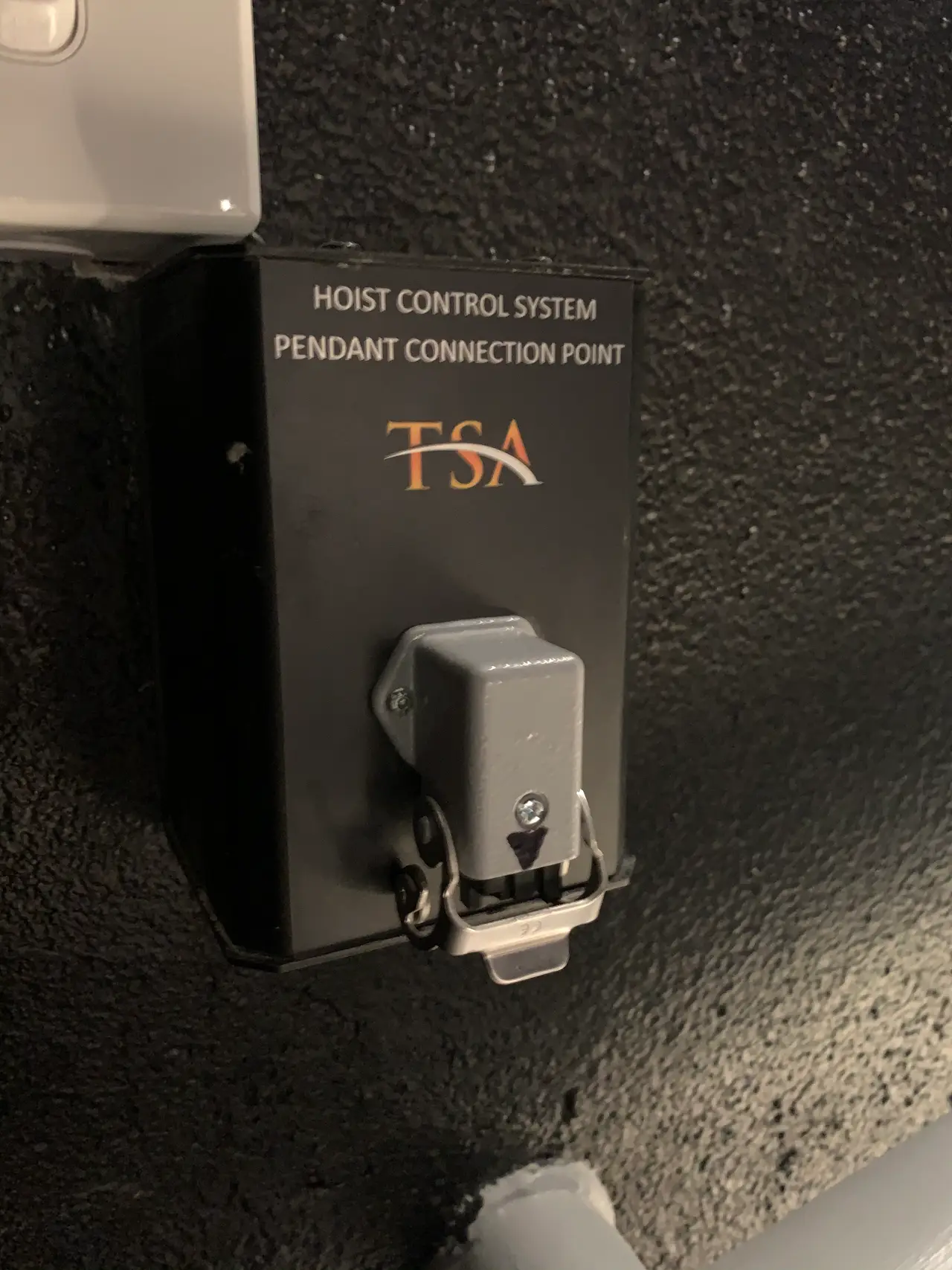
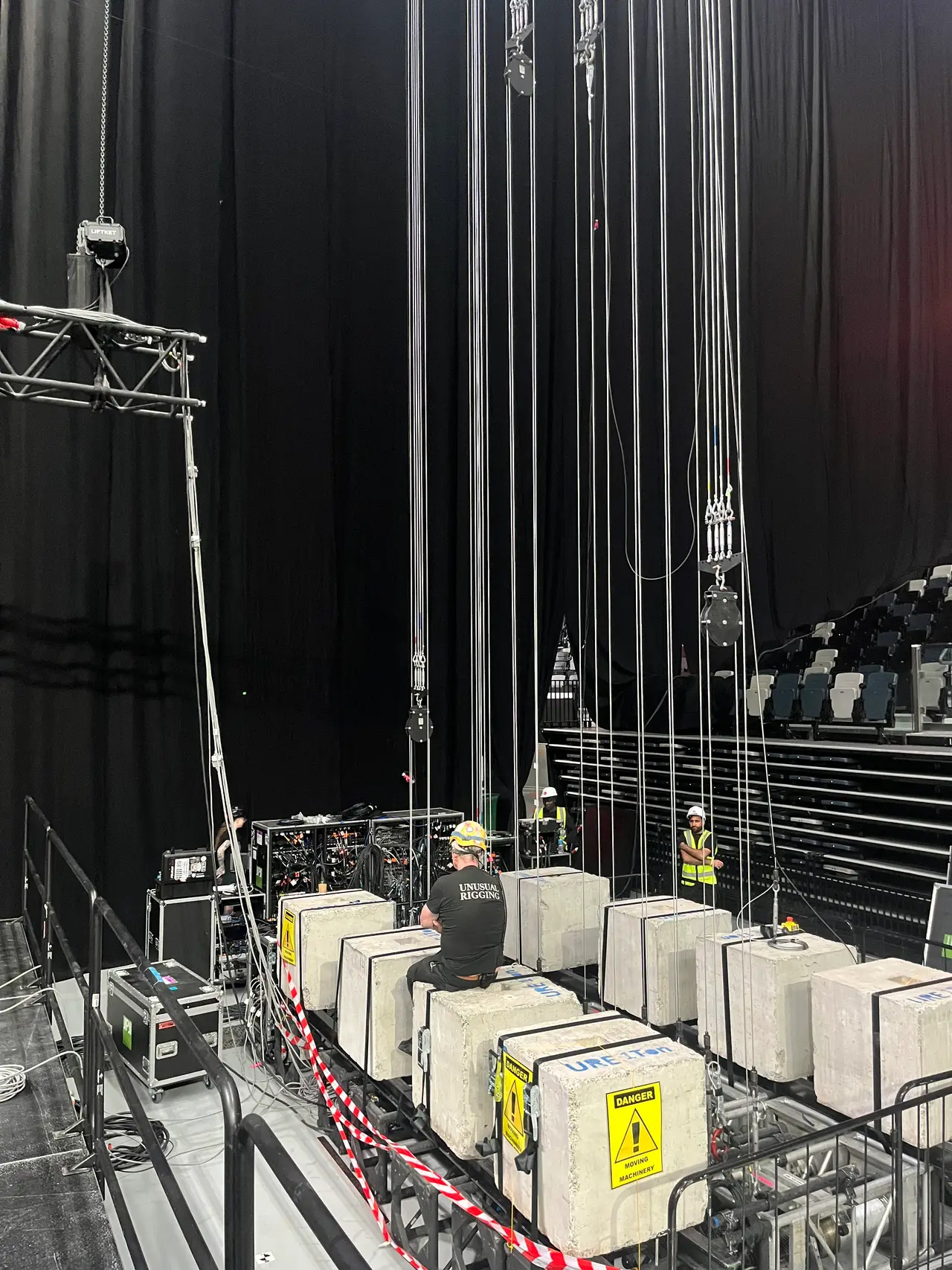
Four jobs, one team.
Close out the findings
An inspection report with High findings is a liability sitting in a drawer.
Around a live season
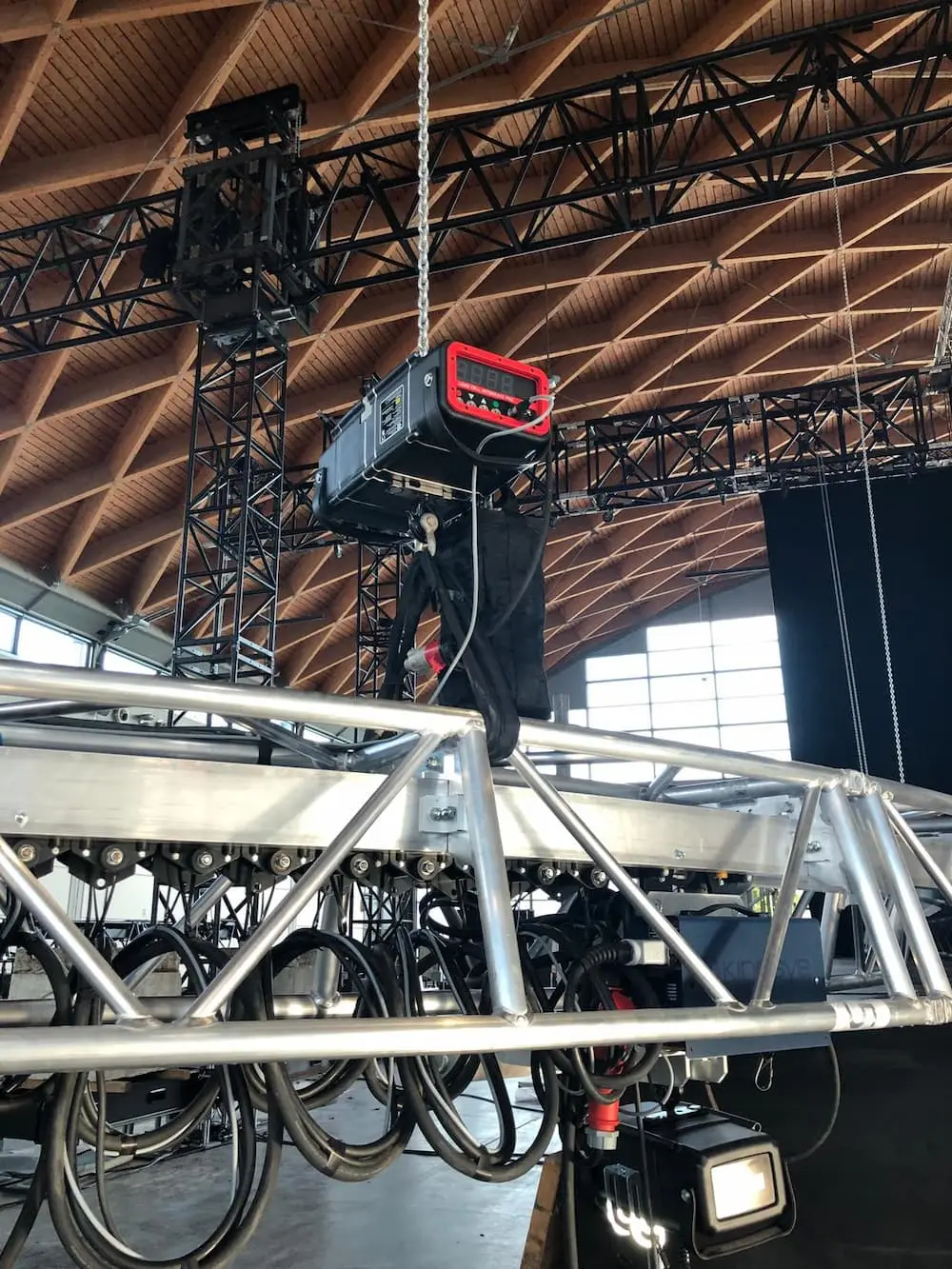
Staged into dark weeks, term breaks and quiet days - and serviced in-situ where the kit allows - so the season keeps running while the system comes up to standard.
Legacy, made certifiable
Systems installed decades ago were built to the standards of their day.
Paperwork that stands up
Every upgrade lands with drawings, engineering verification of load-bearing elements, test results and certificates - due-diligence evidence that compounds year on year.
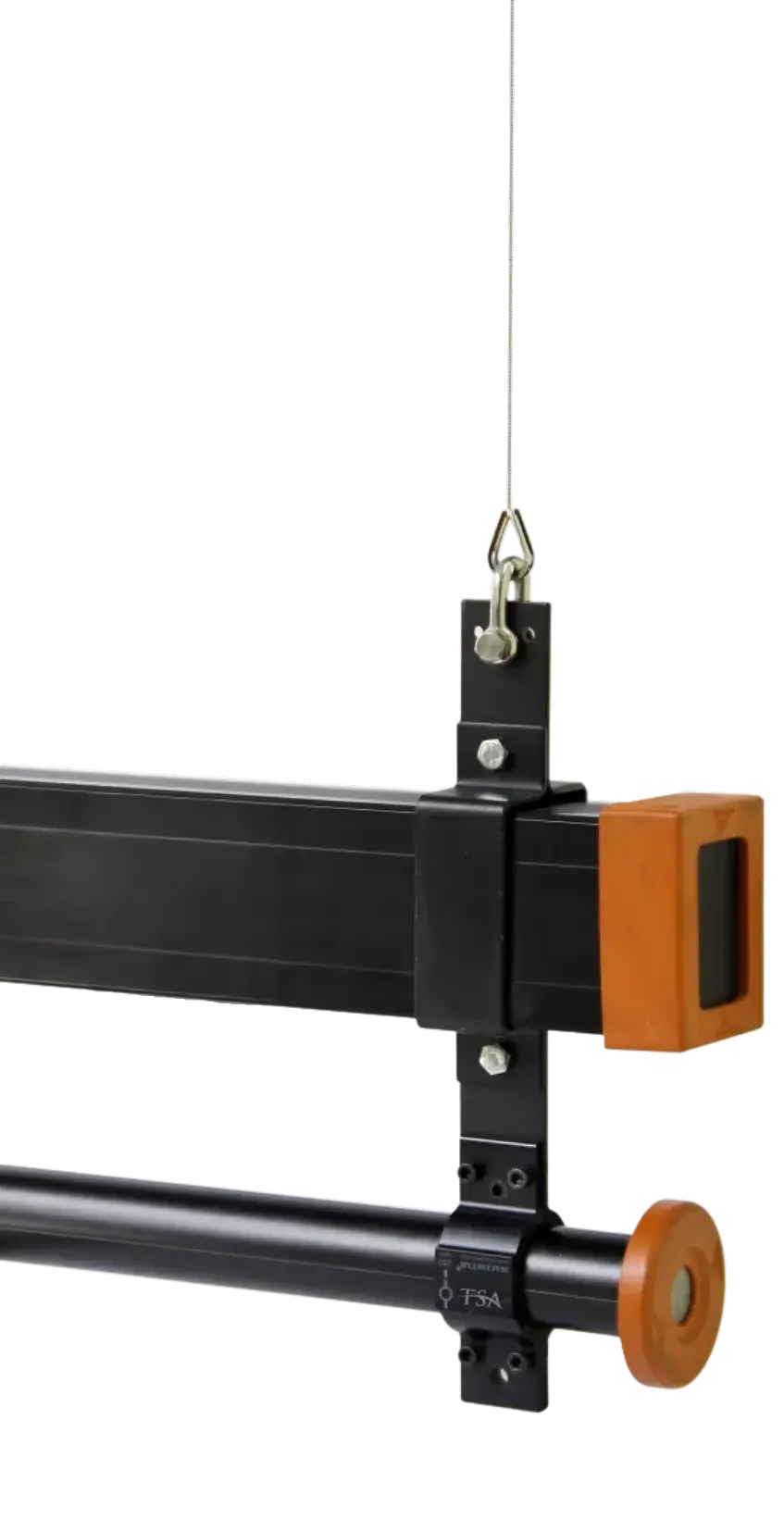
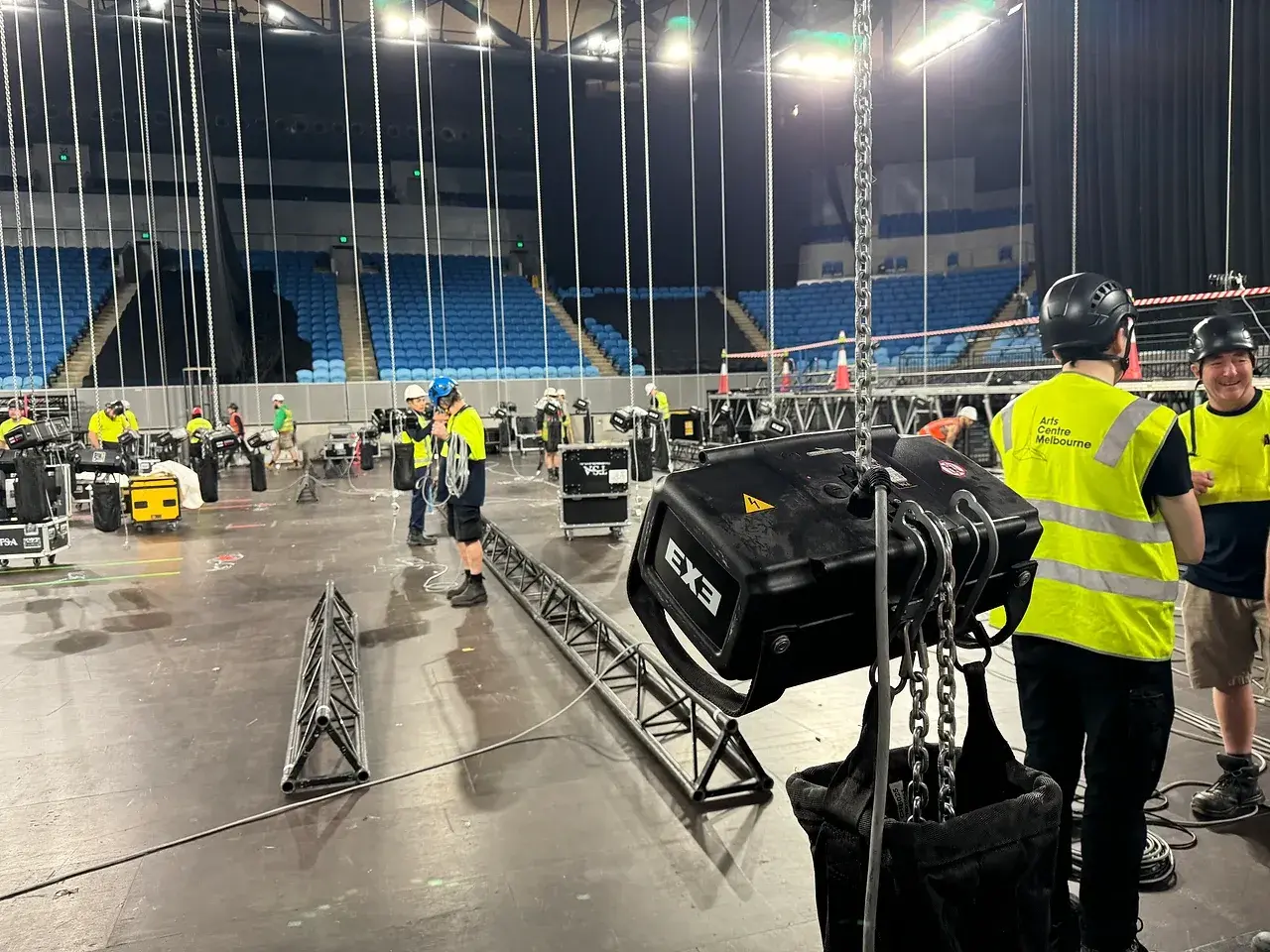
From finding to fixed.
Every upgrade runs the same path - evidence first, engineering before fabrication, certification on the way out. Here is how a finding becomes a fixed, certified system.
-
Step 01
Prioritised findings
It starts with evidence - an inspection report, a capability audit, an incident file - graded with rectification timeframes, so the programme starts where the risk is.
-
Step 02
Engineered upgrade design
In-house drafting and design review before anything is fabricated - load paths checked, interfaces coordinated, load-bearing elements verified and certified.
-
Step 03
Guarding & secondary safeties
Physical protection retrofitted to installed systems - secondary safeties, guarding and access provisions engineered onto the equipment you already own.
-
Step 04
Control & component upgrades
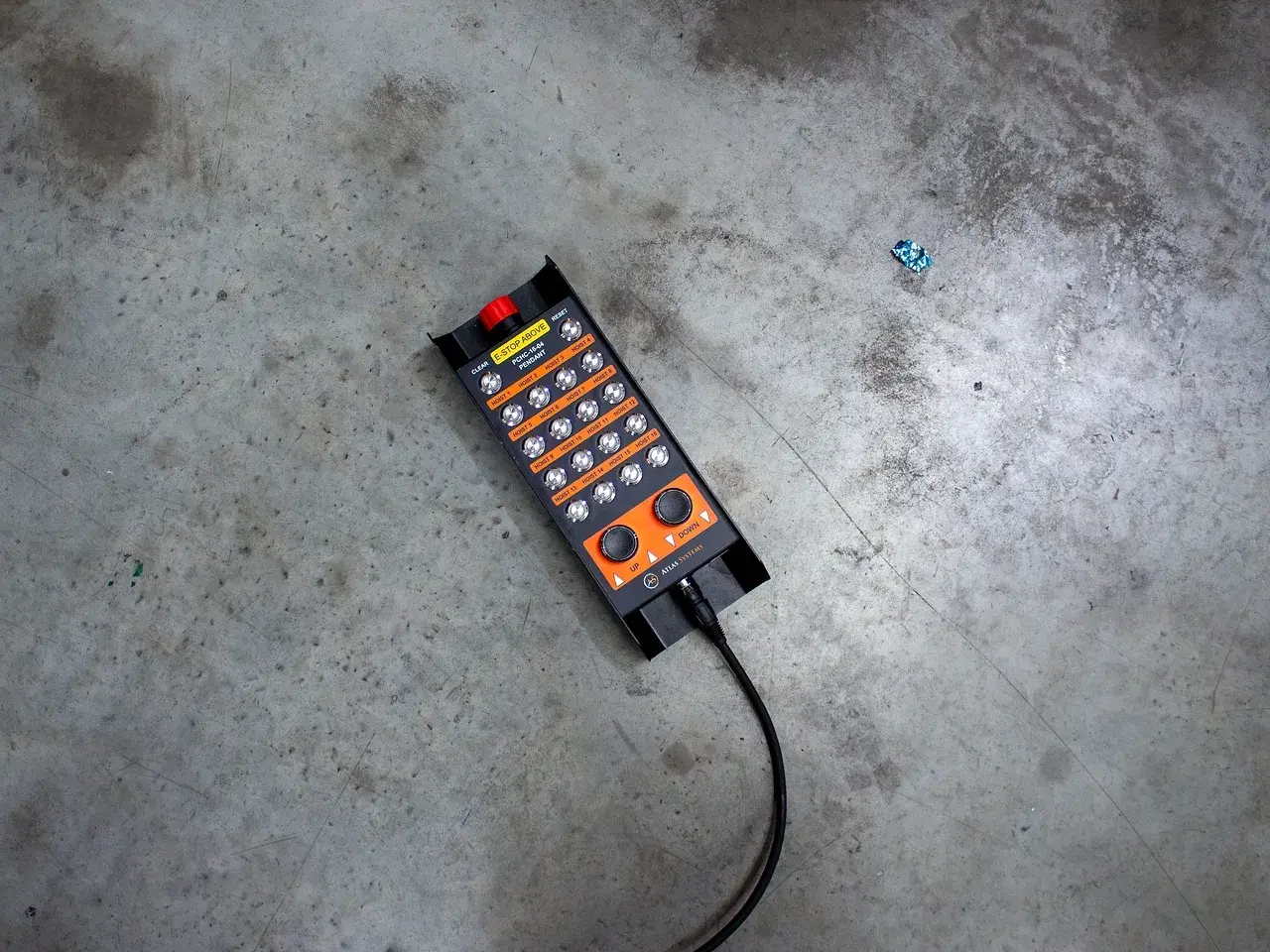
E-stop coverage, load monitoring, user levels and replacement components fitted to legacy machinery - without replacing the system around them.
-
Step 05
Recertification & documentation
Upgraded equipment is tested and certified - load-tested hoists carry individual 12-month certificates - and the record is handed over as due-diligence evidence.
Upgrade where the system is sound, replace where it is not - the grading tells you which. Control hardware sits under Atlas hoist controllers, the recertification cadence under annual inspections, and the ongoing relationship under the Service & Inspection Programme.
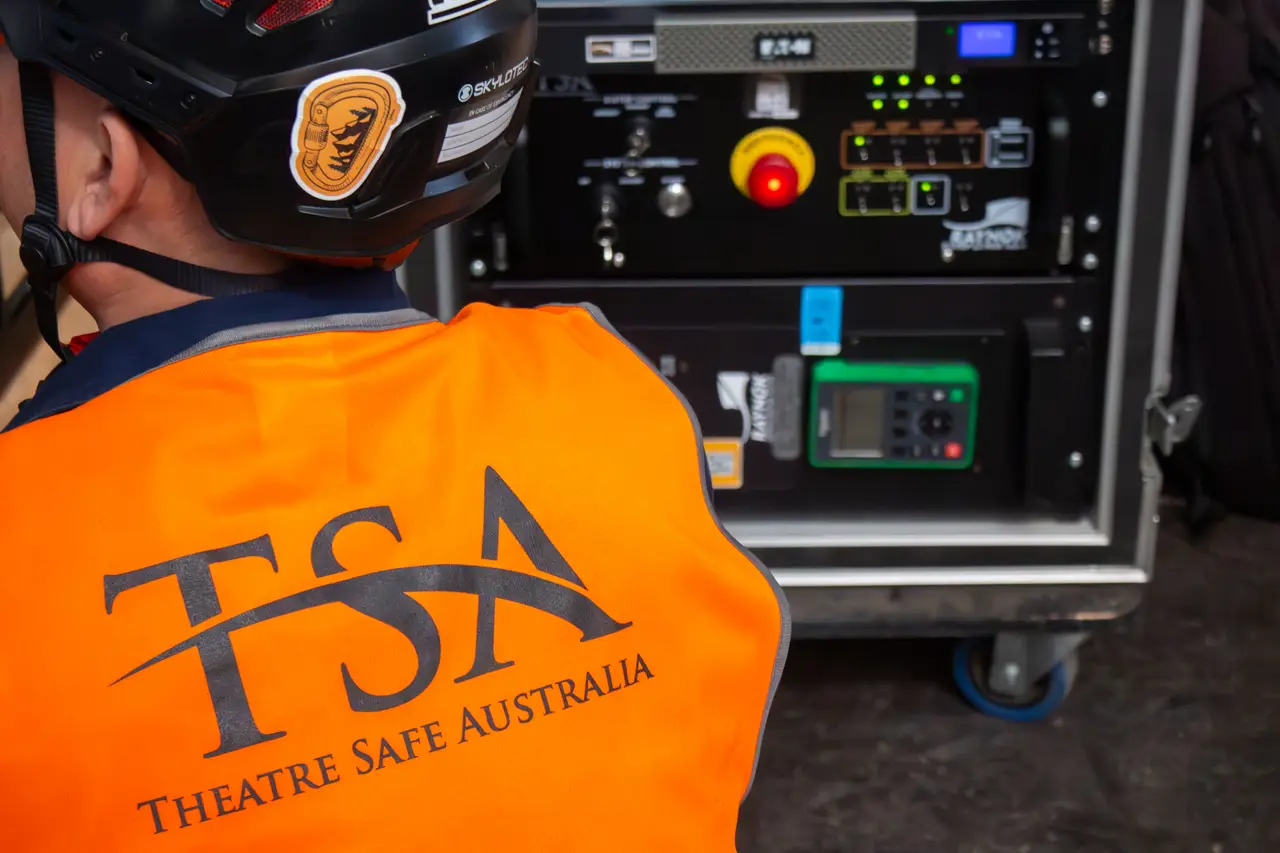
Evidence first, engineering before fabrication.
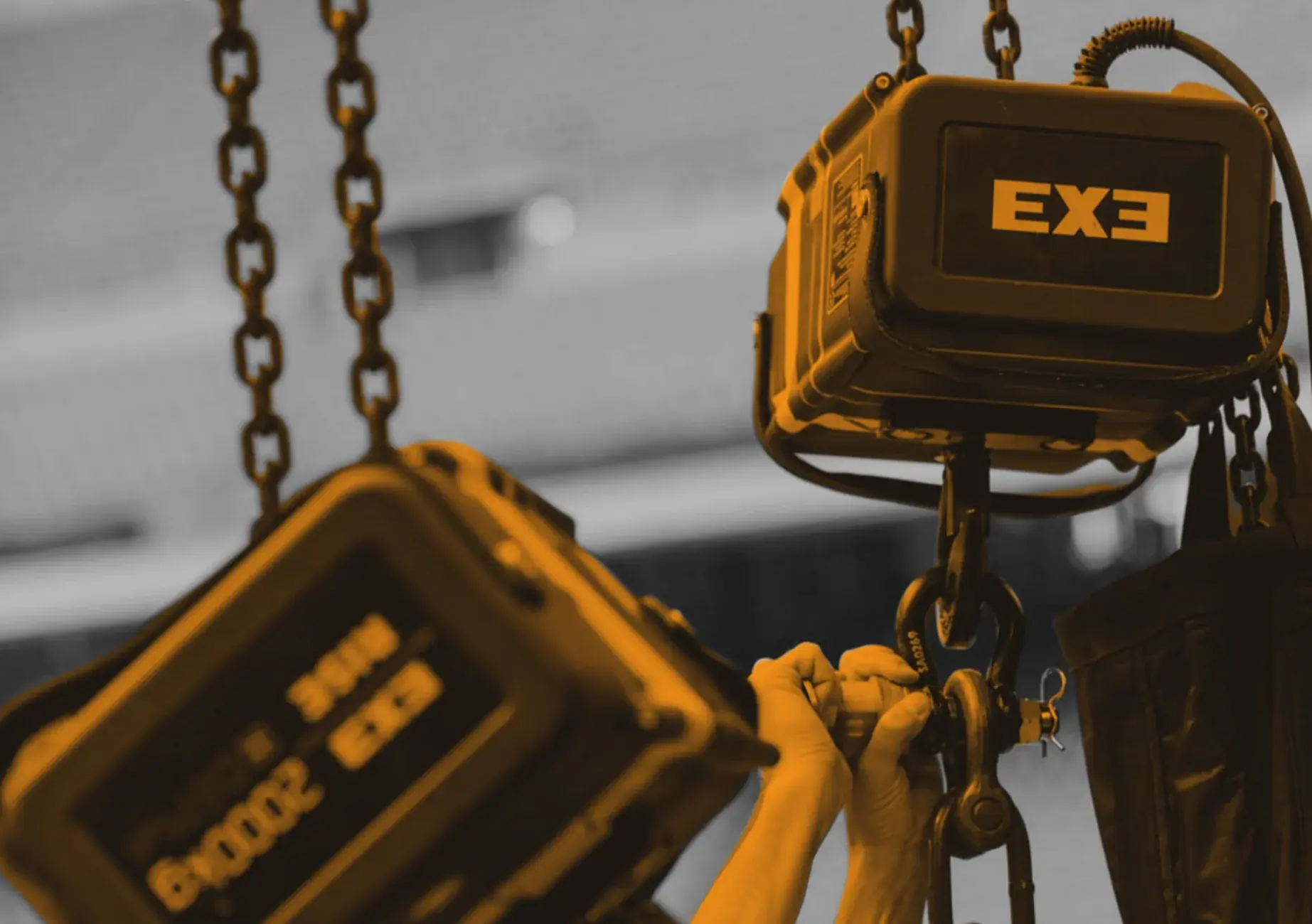
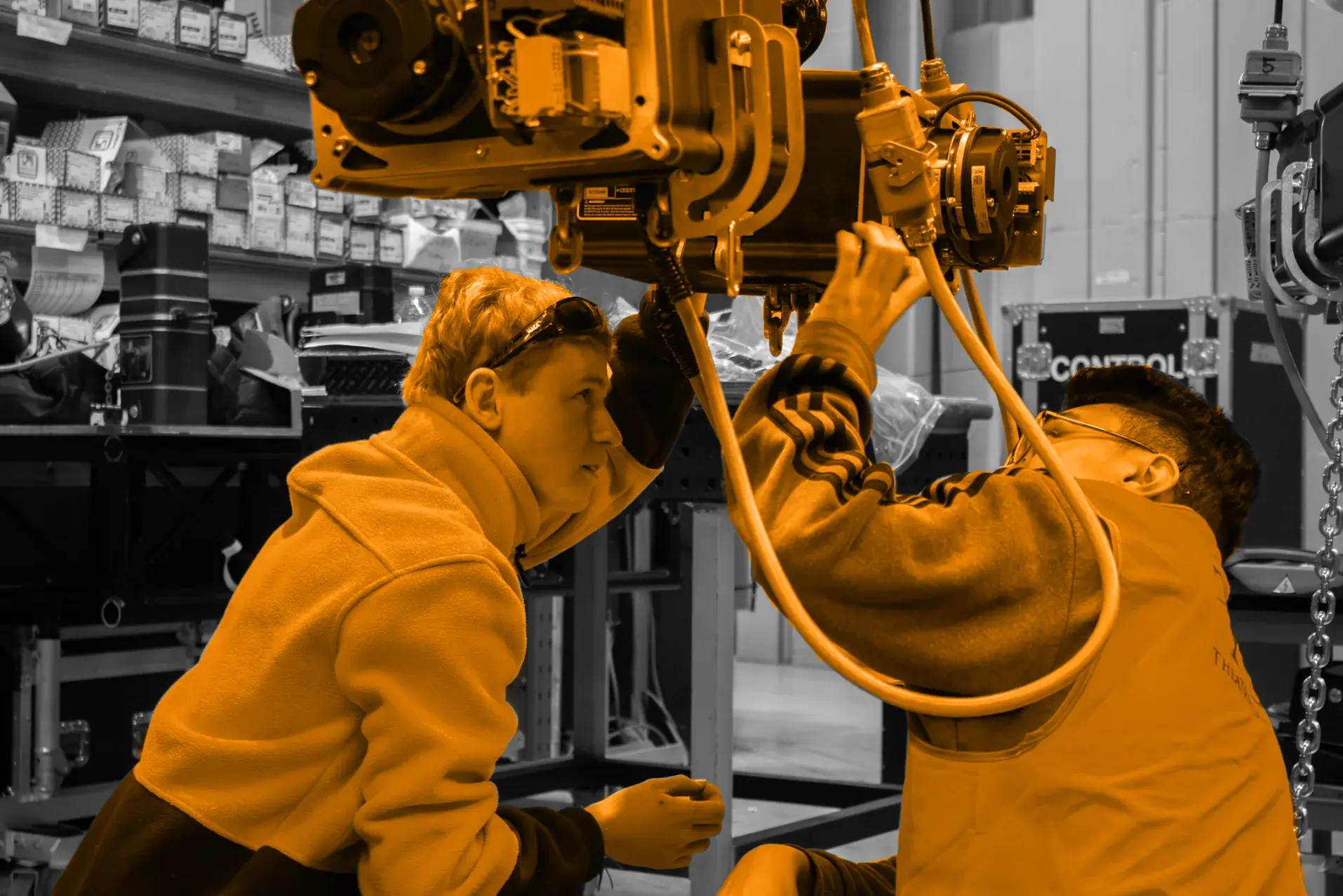
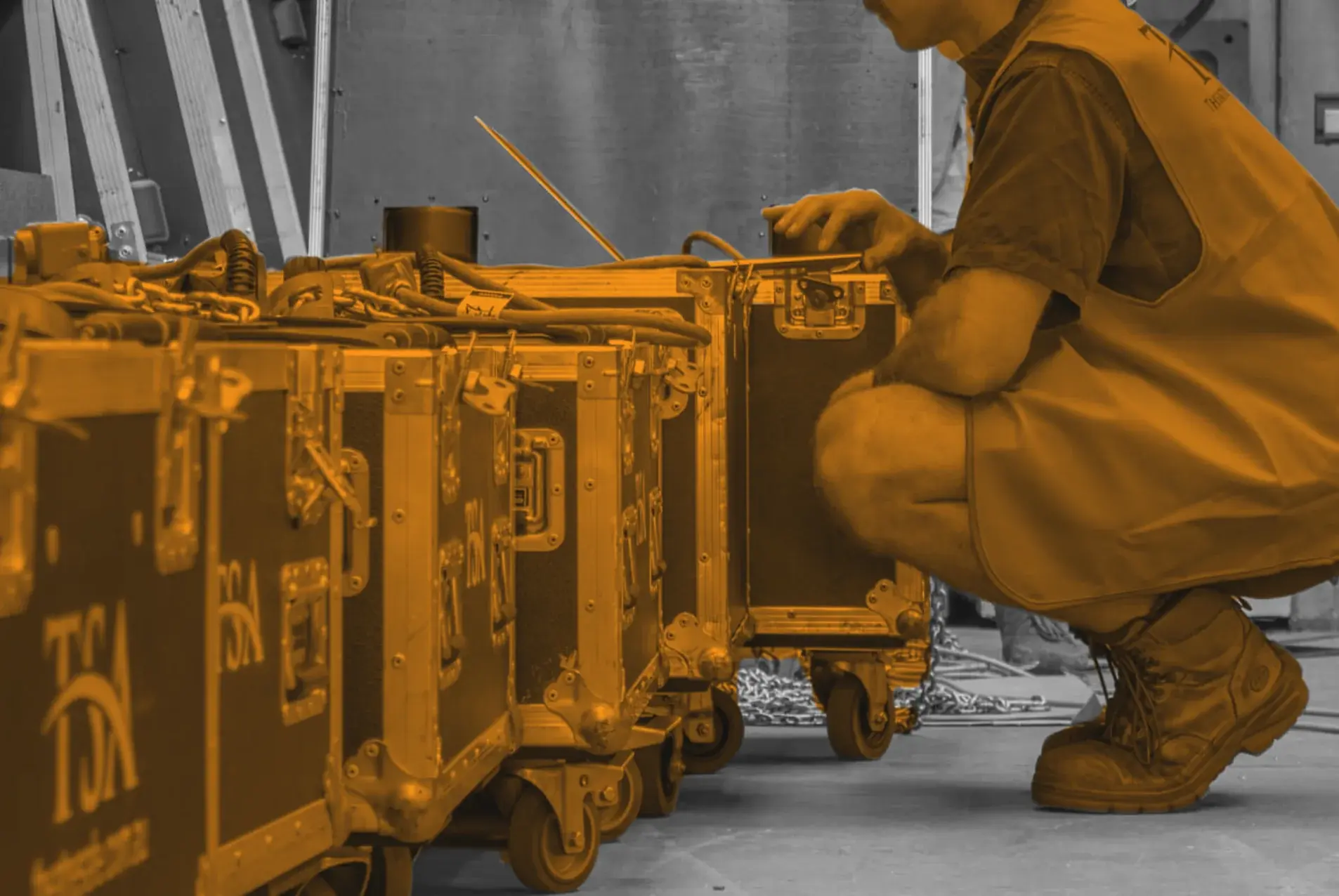
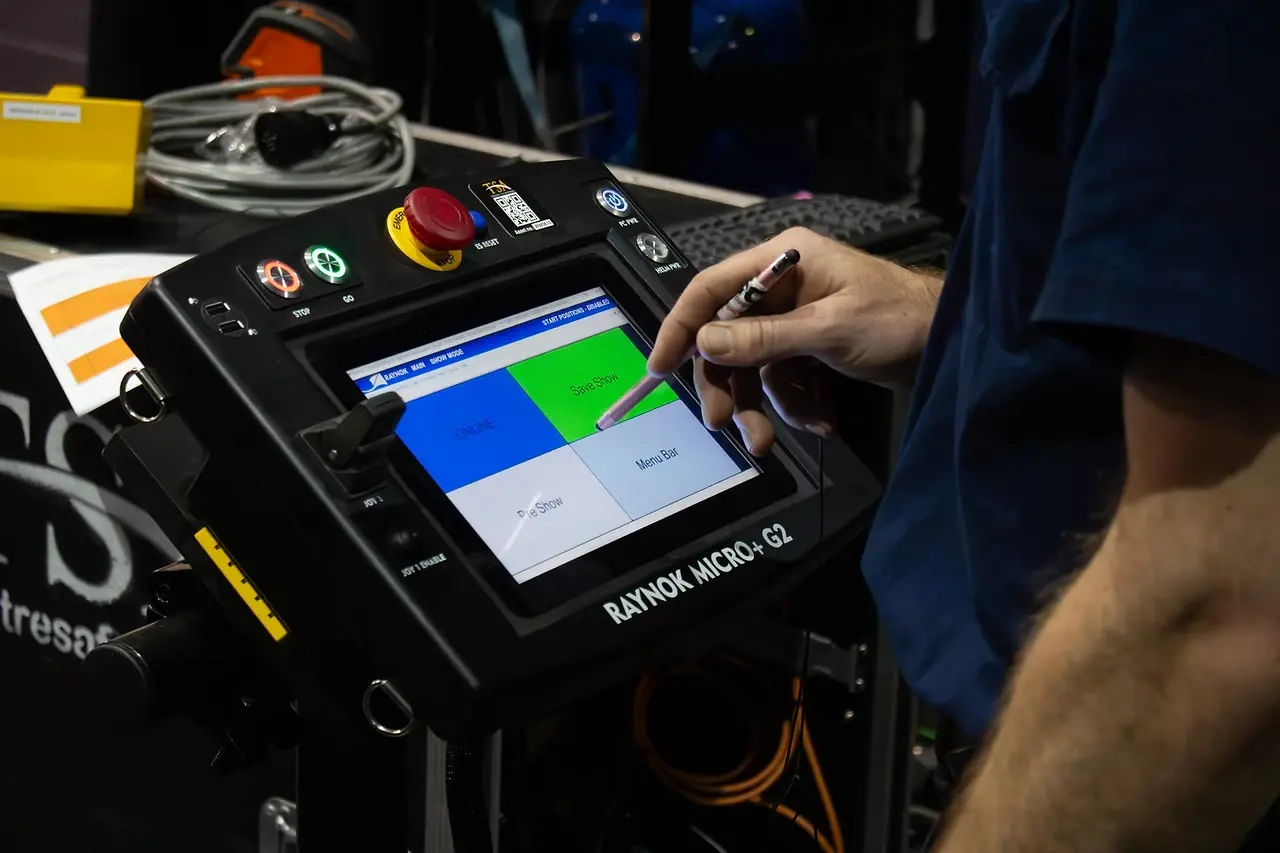
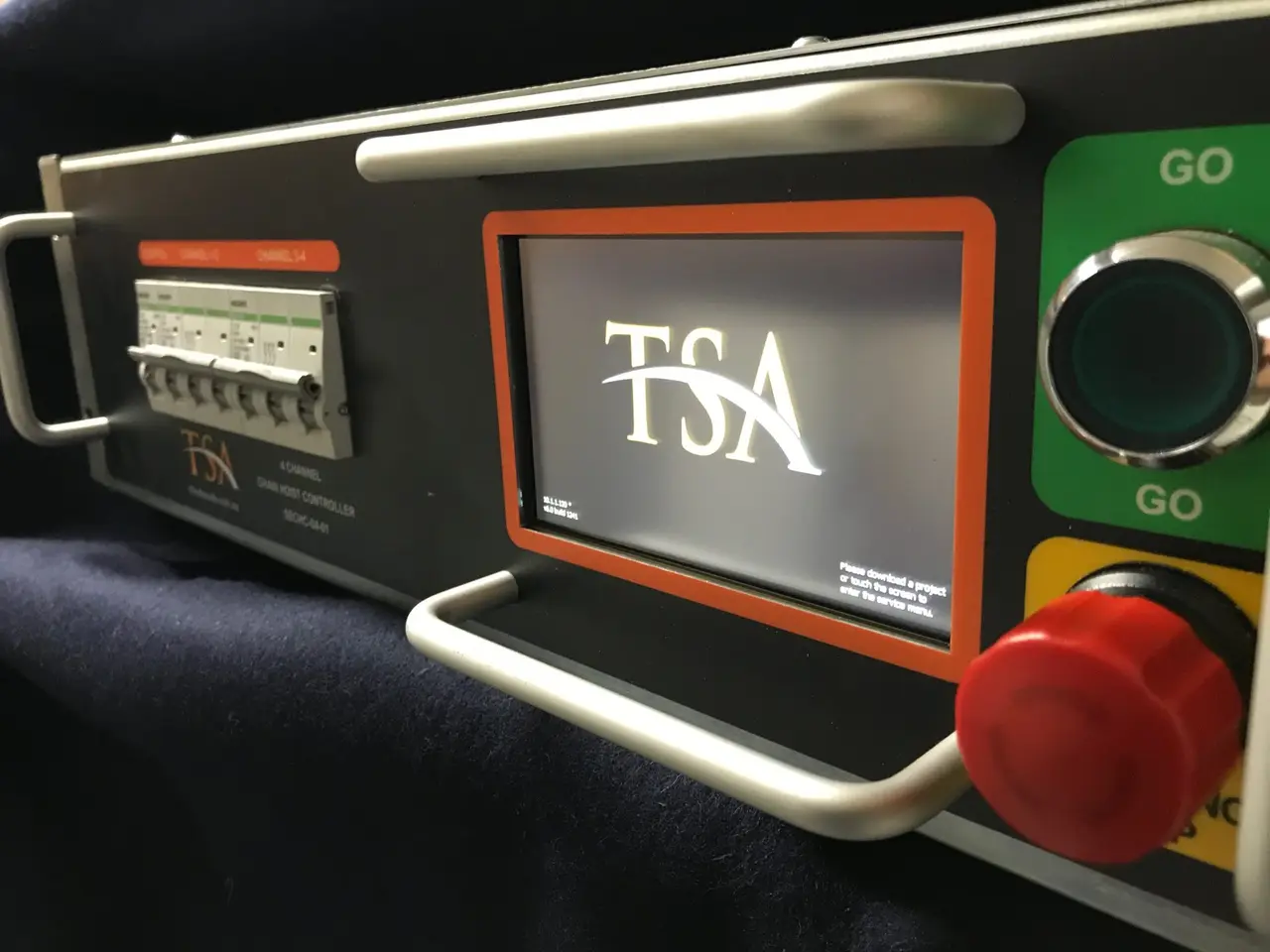
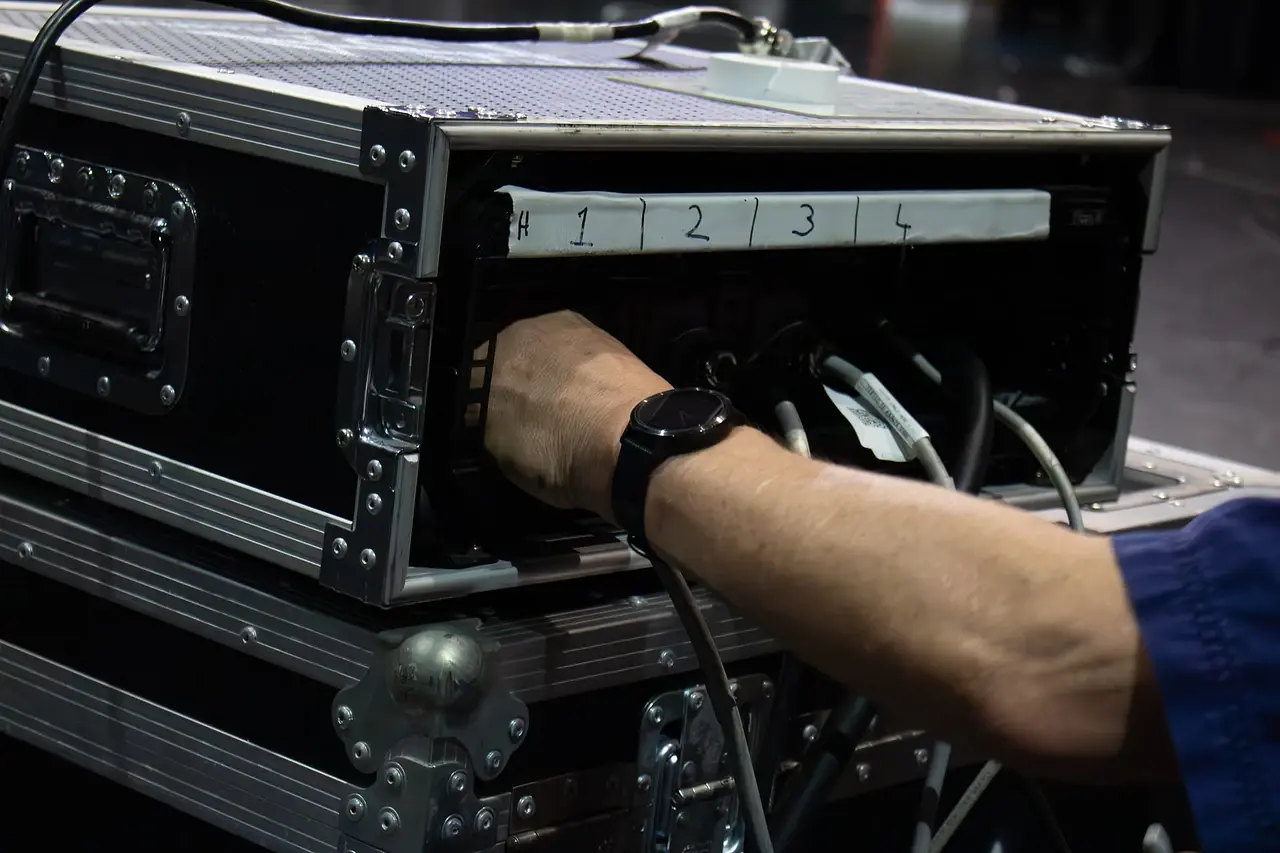
Hoist control rack a TSA crew member checking the E-stop and controls on siteWhere the upgrades
go in.
Secondary safeties, guarding, load monitoring and E-stop coverage engineered onto what is already installed. Select a numbered pin to see where.
Australia wide
New-build to retrofit, Australia wide.
Engineered onto the equipment you already have, staged around your calendar.

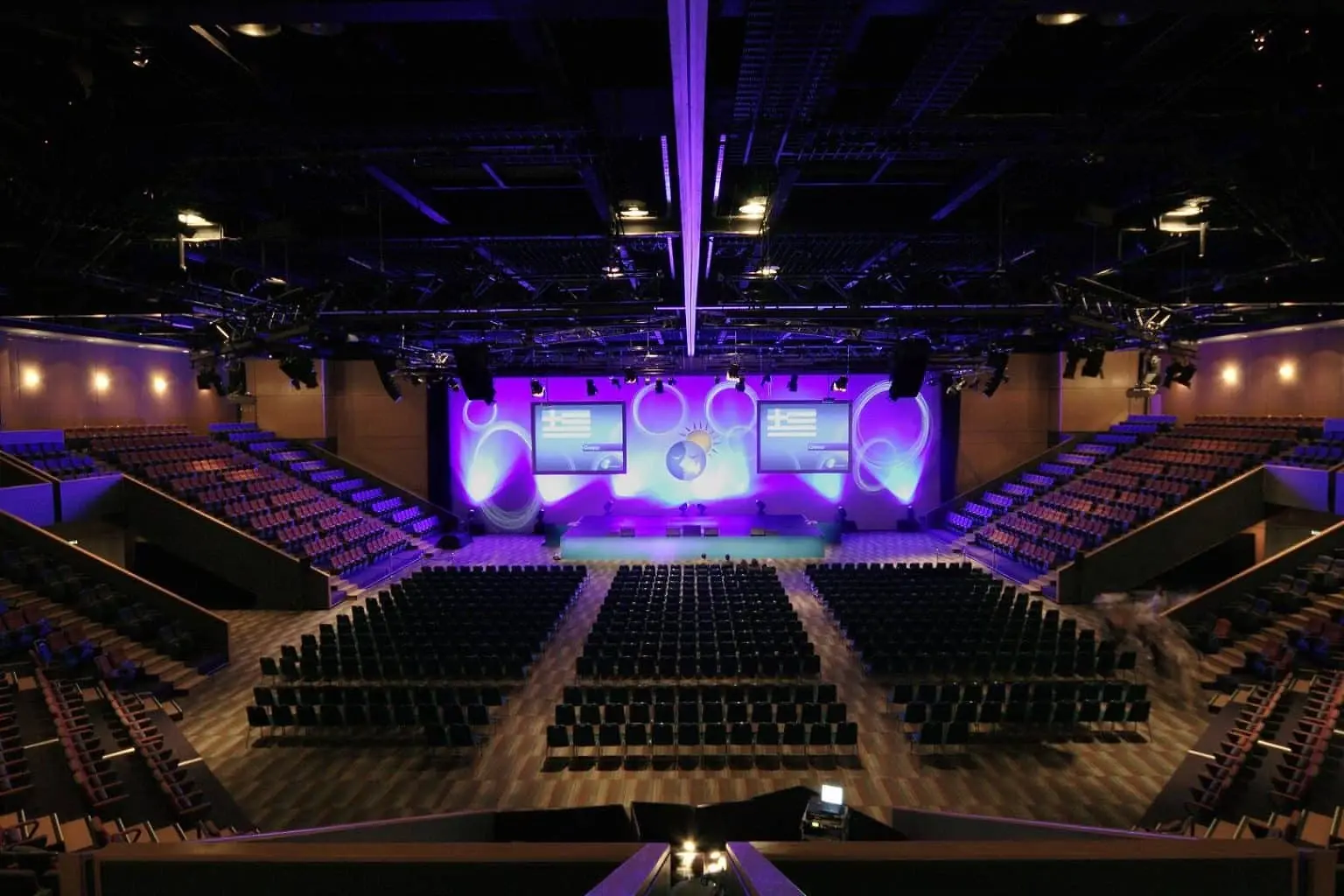
Cairns Convention Centre.
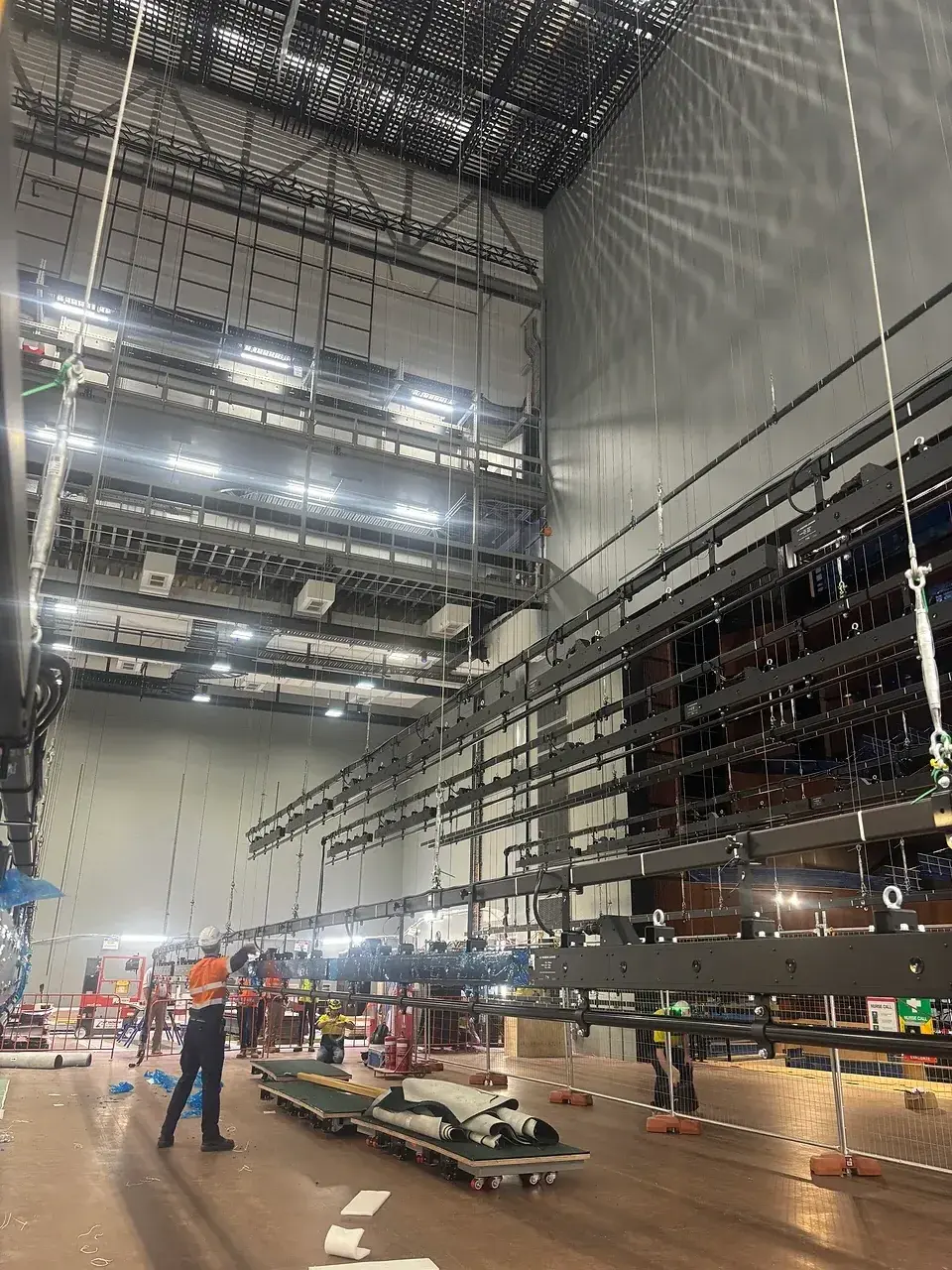
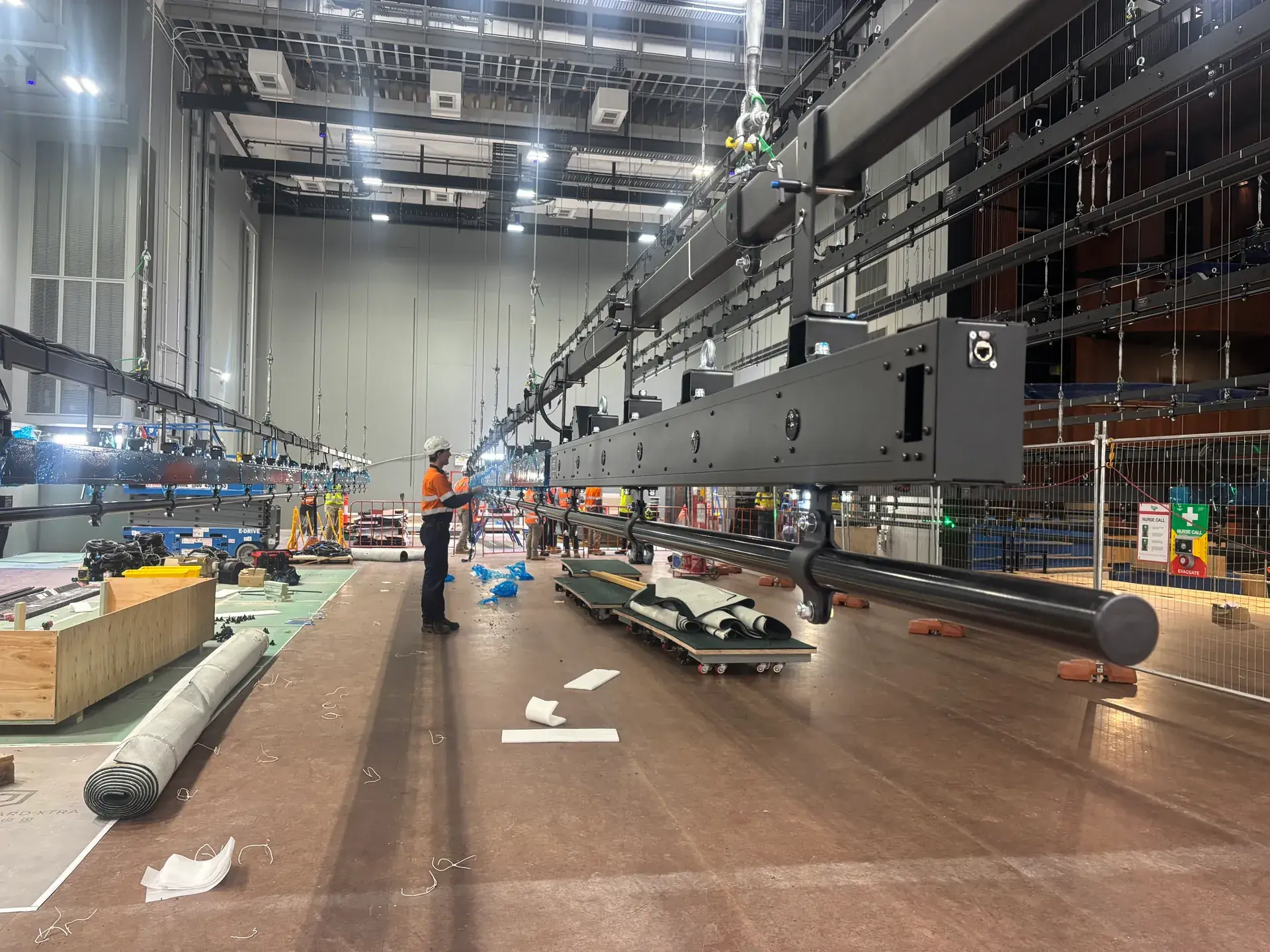
The turnkey overhead rigging behind the Great Hall: the install standard every upgrade is held to.
Read the case study →Upgrades,
delivered.
Findings carried into engineered fixes on working venues - by the team that can design, install and recertify them.
See all projects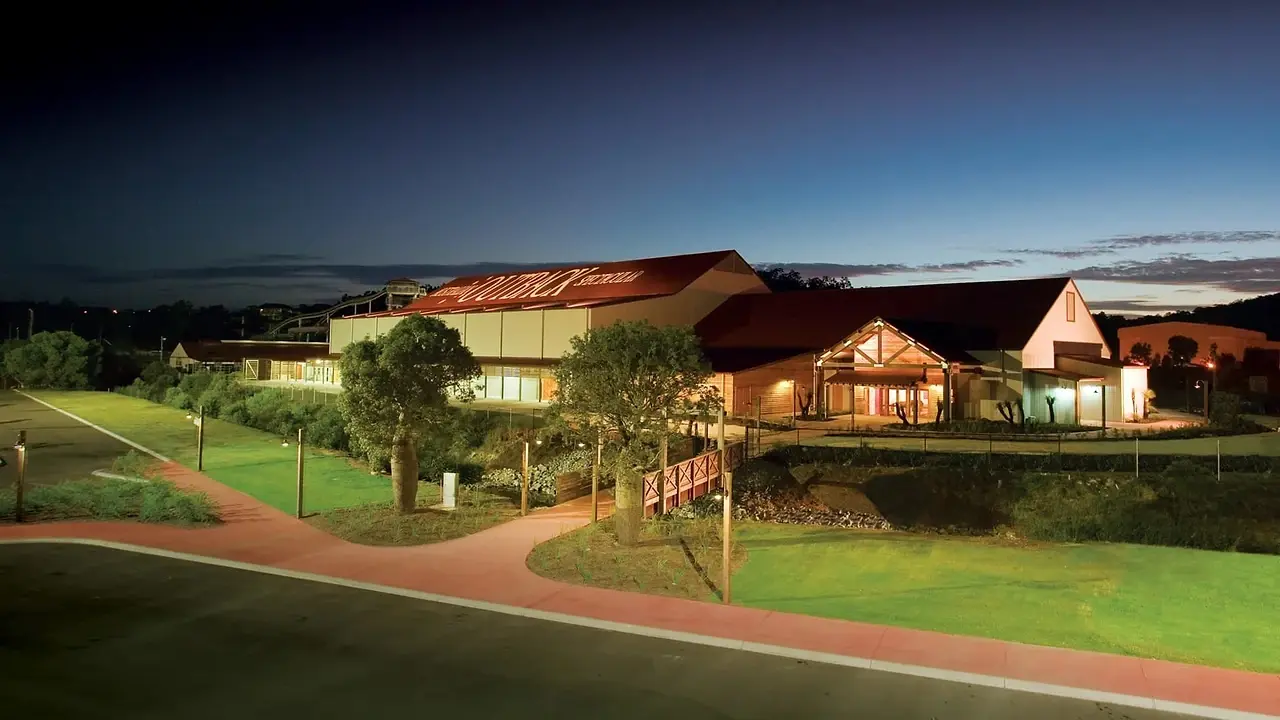
Supported within the hour.
A breakdown supported onsite and remotely within the hour - then rectified, with an action plan, seven-plus years into the relationship.
Read the project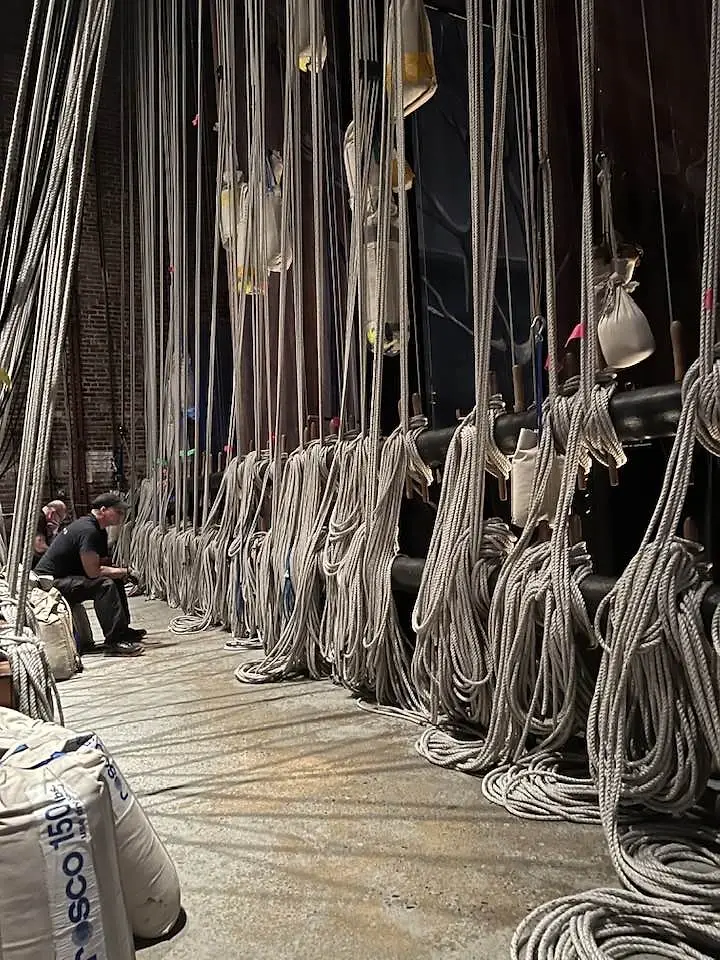
Findings carried into rectification.
A regional theatre's fly system inspection carried beyond grading into system-wide corrective work - the report was the start, not the deliverable.
Fly system inspections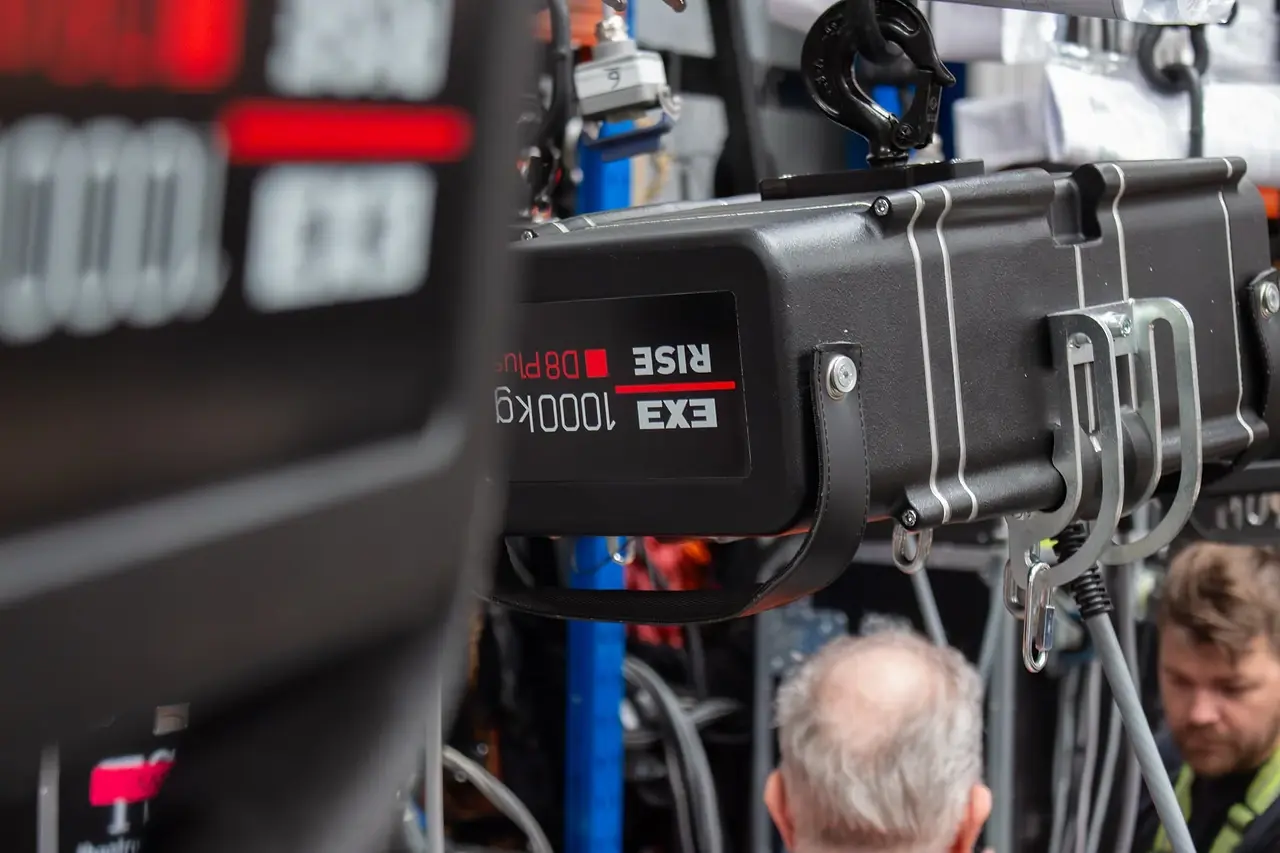
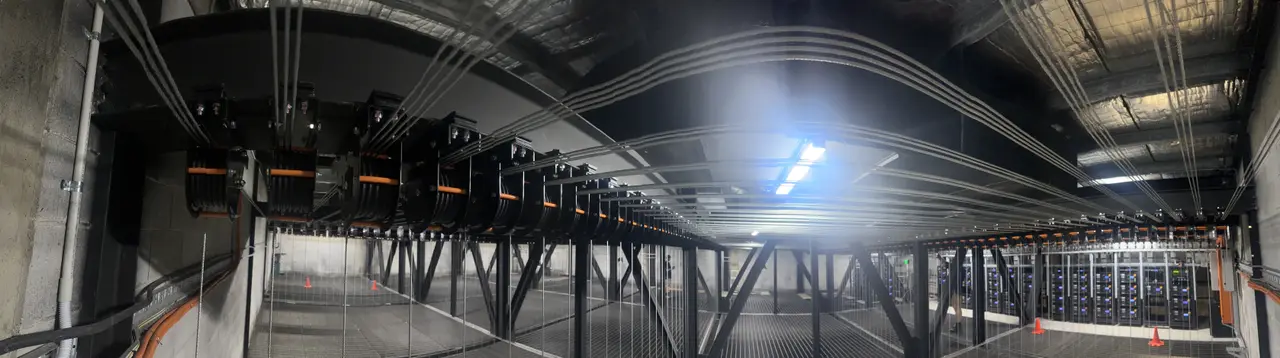
36 hoists, one ceiling, one desk.
The turnkey overhead rigging behind the Great Hall - the install standard every upgrade is held to.
Read the projectSend us the findings.
Safer fly systems, upgraded in place.
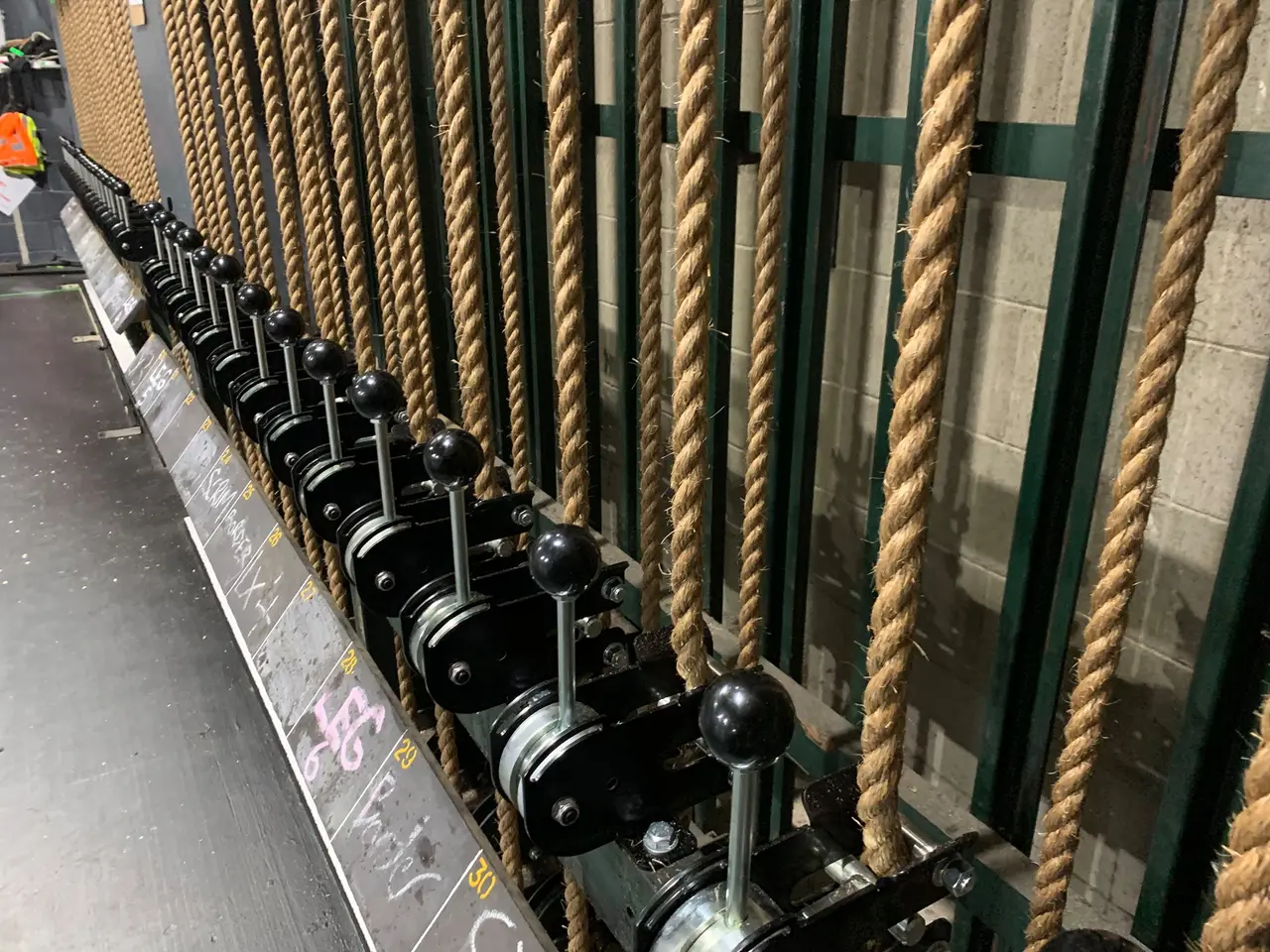
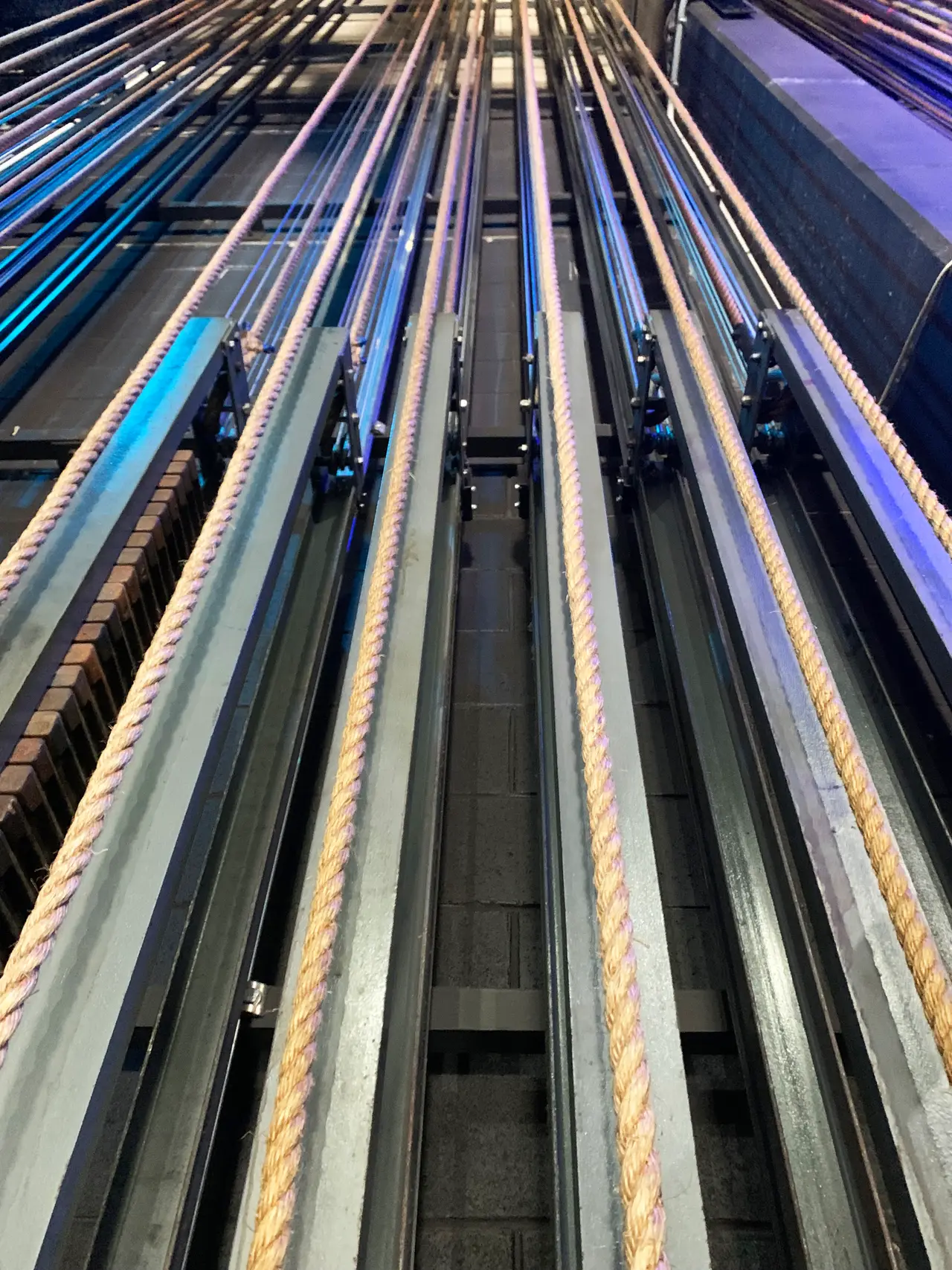
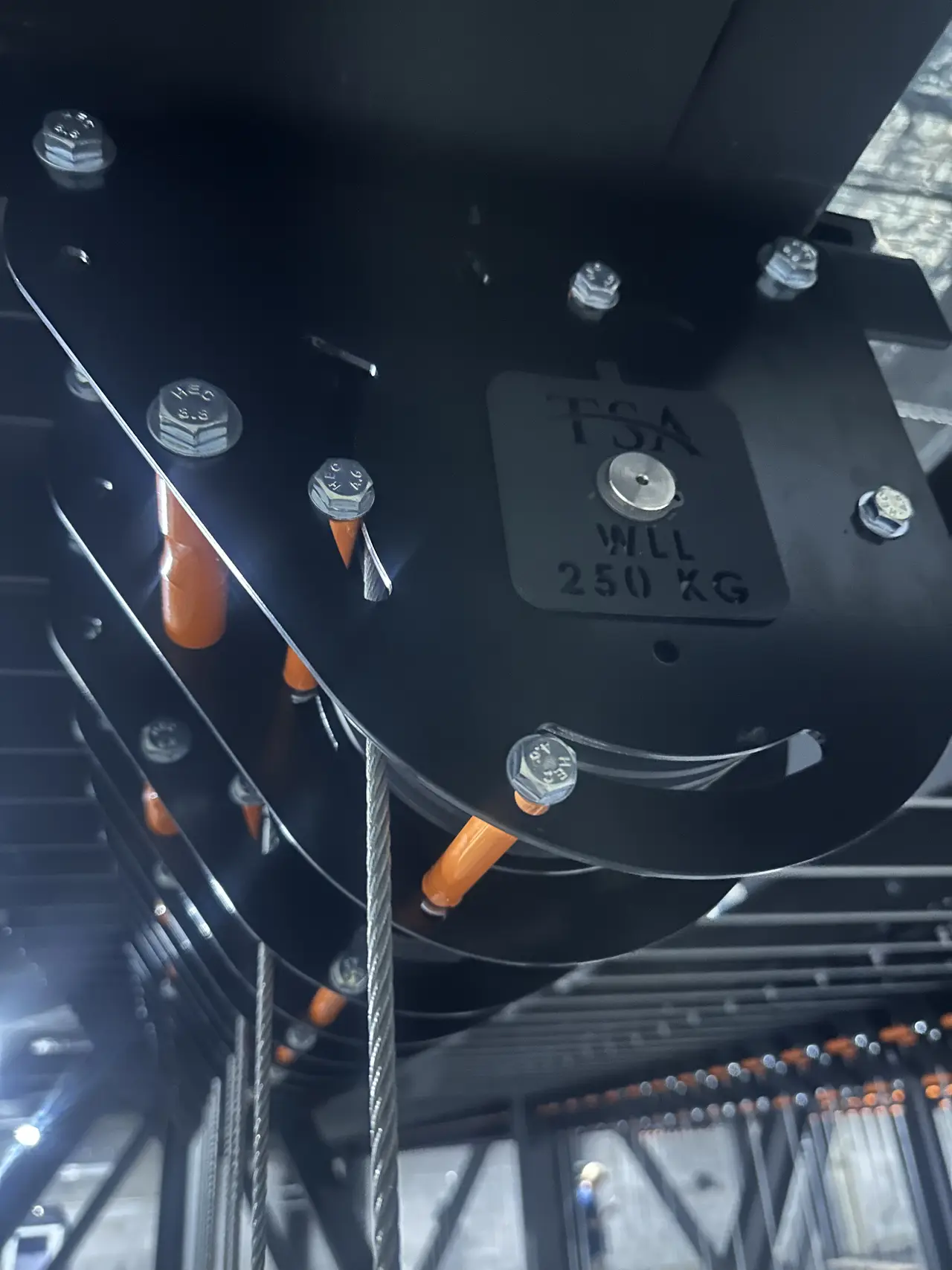
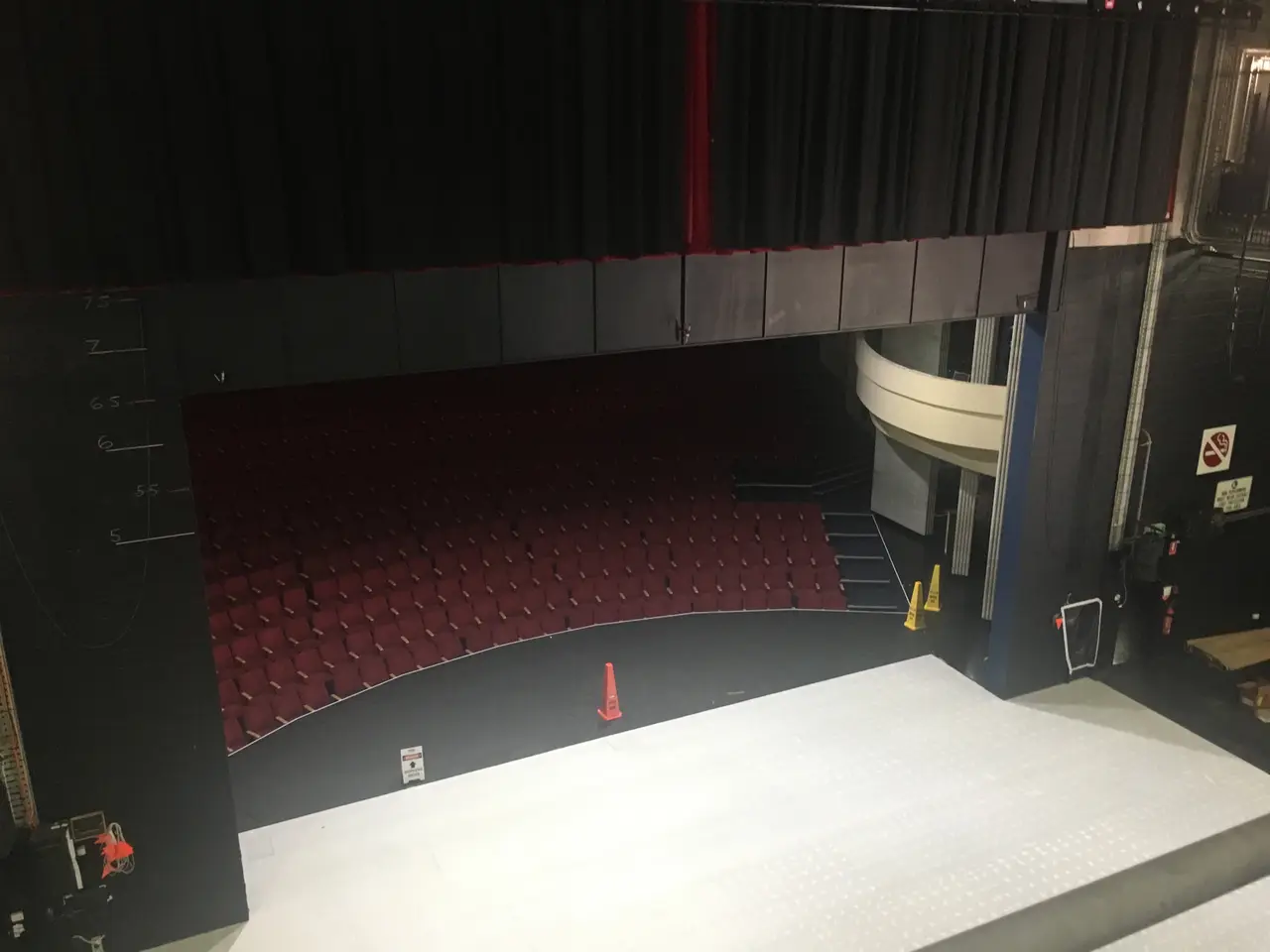
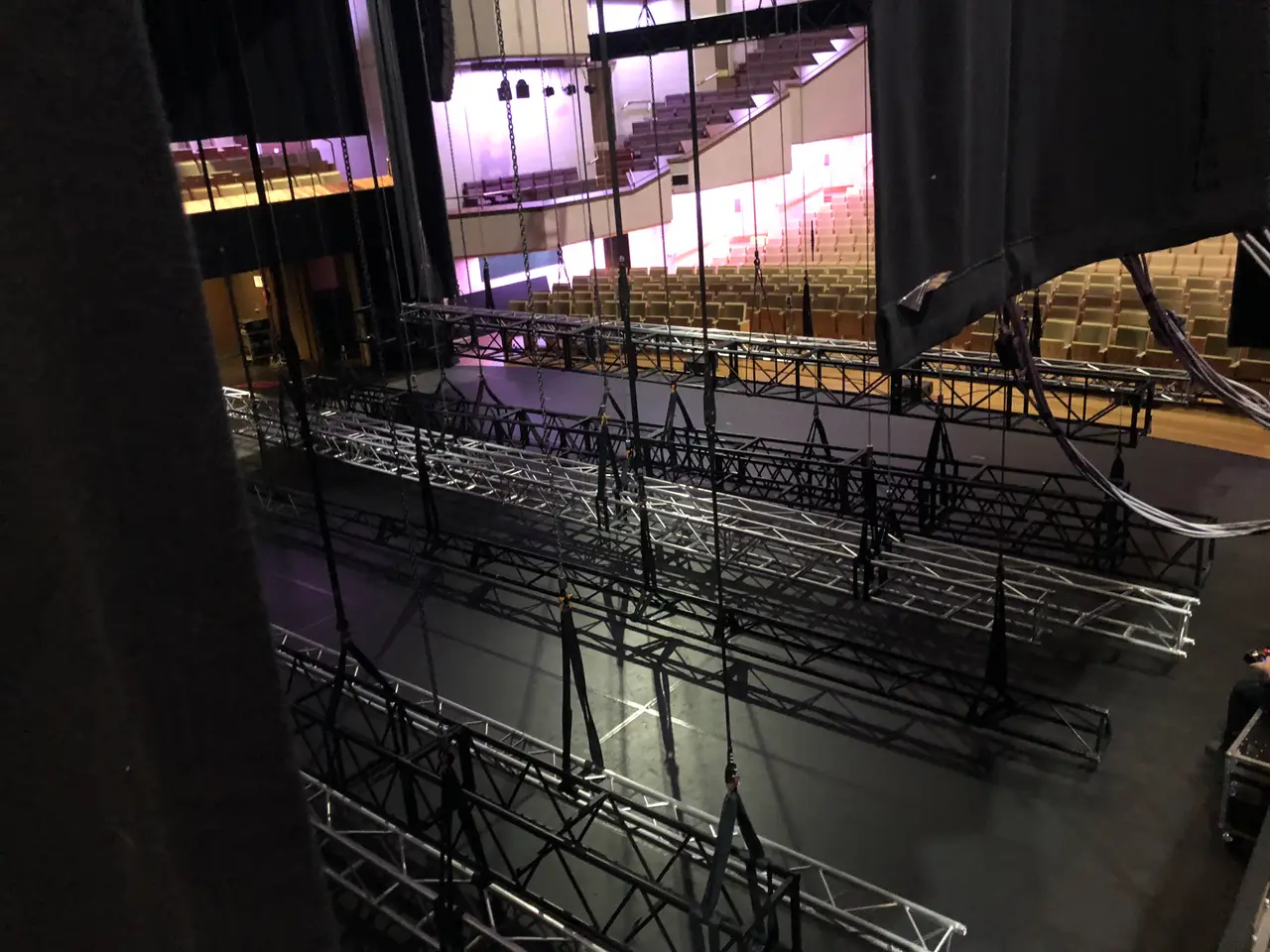
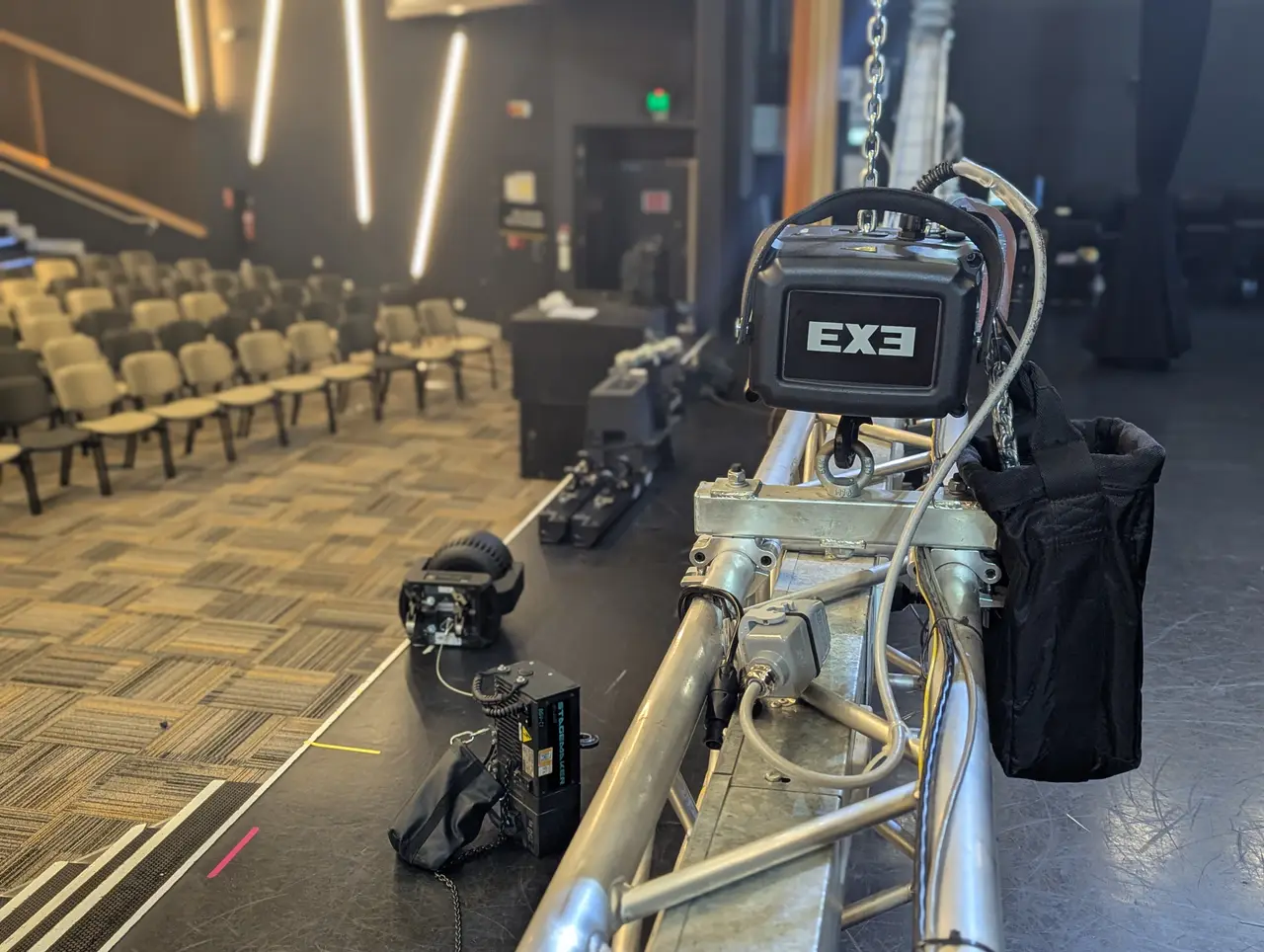
Replacement hardware, new line sets and upgraded fly systems in working venues.
Questions
about safety upgrades.
If your question isn't here, talk to our team and we'll come back with the right answer for your venue.
Call 1300 439 872 →Send the
findings.
Whoever wrote the report, whatever the system - tell us where it stands and we will come back with the engineered fix, staged around your calendar and recertified on the way out.
- We listen. Whatever the report found, whoever wrote it.
- We engineer. The fix, onto equipment you already own.
- We recertify. Staged around your calendar, recertified on the way out.