

Gladstone Regional Council
Thirty-four counterweight lines, an orchestra pit lift and two panorama winches, assessed line by line every year. Third consecutive term since 2020.
Gladstone Regional Council
A council-owned regional entertainment centre with a heavily used counterweight fly system, and an obligation to prove every year that it is safe to operate.
An annual inspection, maintenance and certification programme, plus the rectification and replacement equipment that follows from it.
Three consecutive contract terms since 2020, and a venue whose stage machinery is now a tracked asset class rather than an unknown.
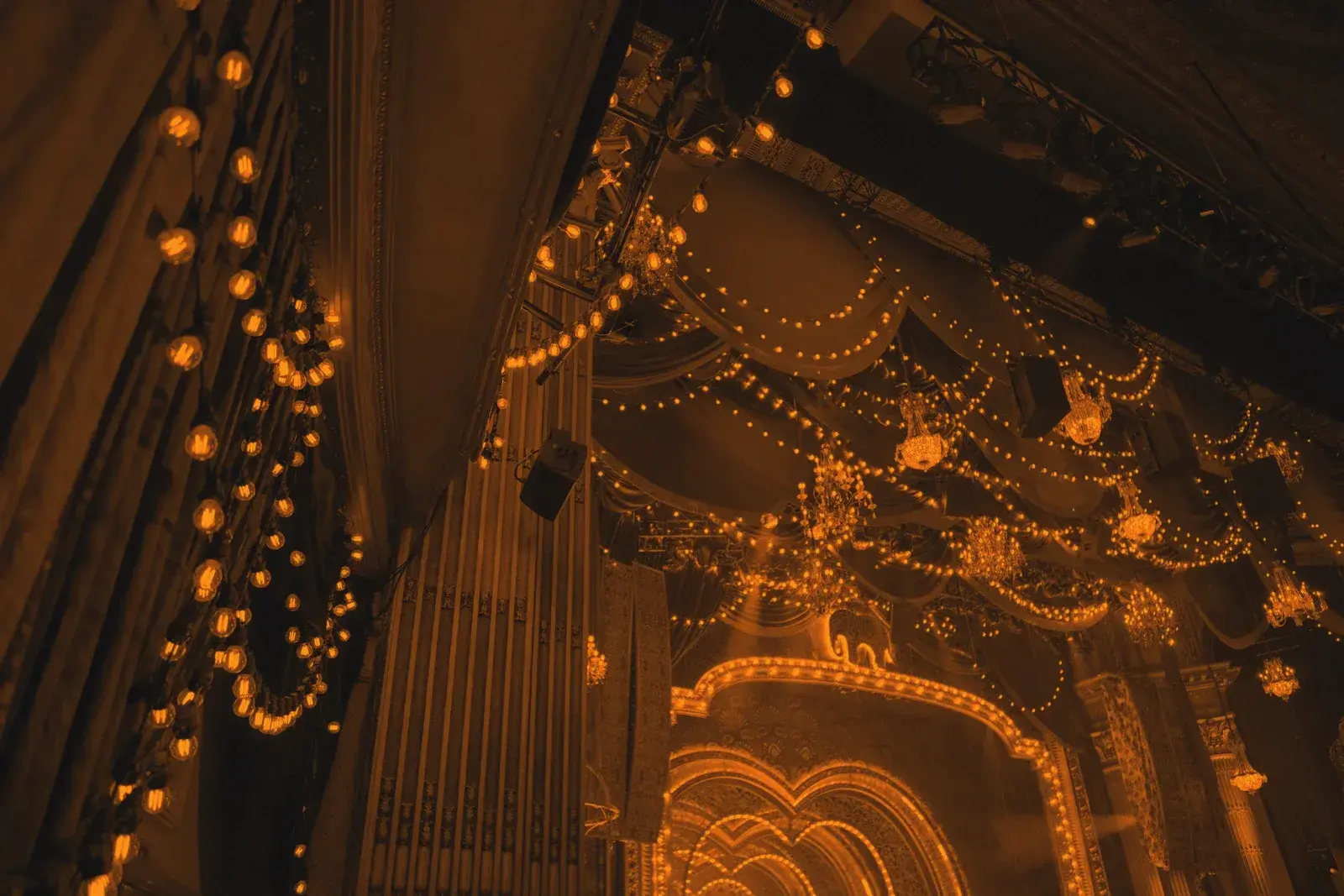
Gladstone Entertainment & Convention Centre is the regional centre's main performing arts and events venue, owned and run by Gladstone Regional Council. It carries a full counterweight fly system, an orchestra pit lift, panorama winches and a working schedule with a high turnover of visiting productions.
All of that sits above the stage, where nobody looks at it between shows. Counterweight systems are unglamorous and they last for decades, which is precisely the problem: rope, sheaves and locking rails wear slowly and quietly, and the venue has an obligation to demonstrate every year that the whole system is still safe to put people under.
A council also has to be able to plan. Stage machinery that is only assessed when something goes wrong is not an asset class, it is a queue of surprises attached to an unpredictable budget line.
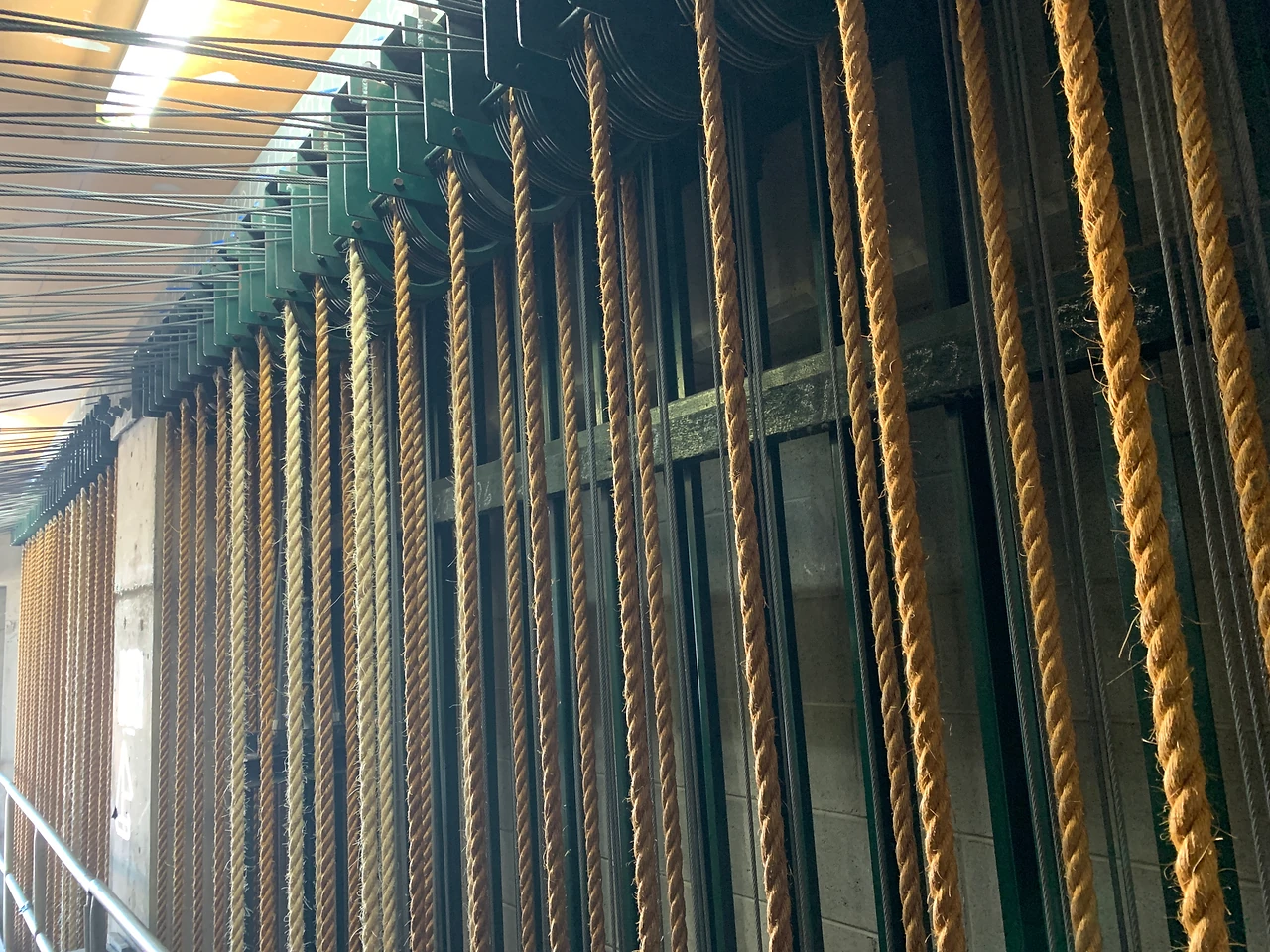
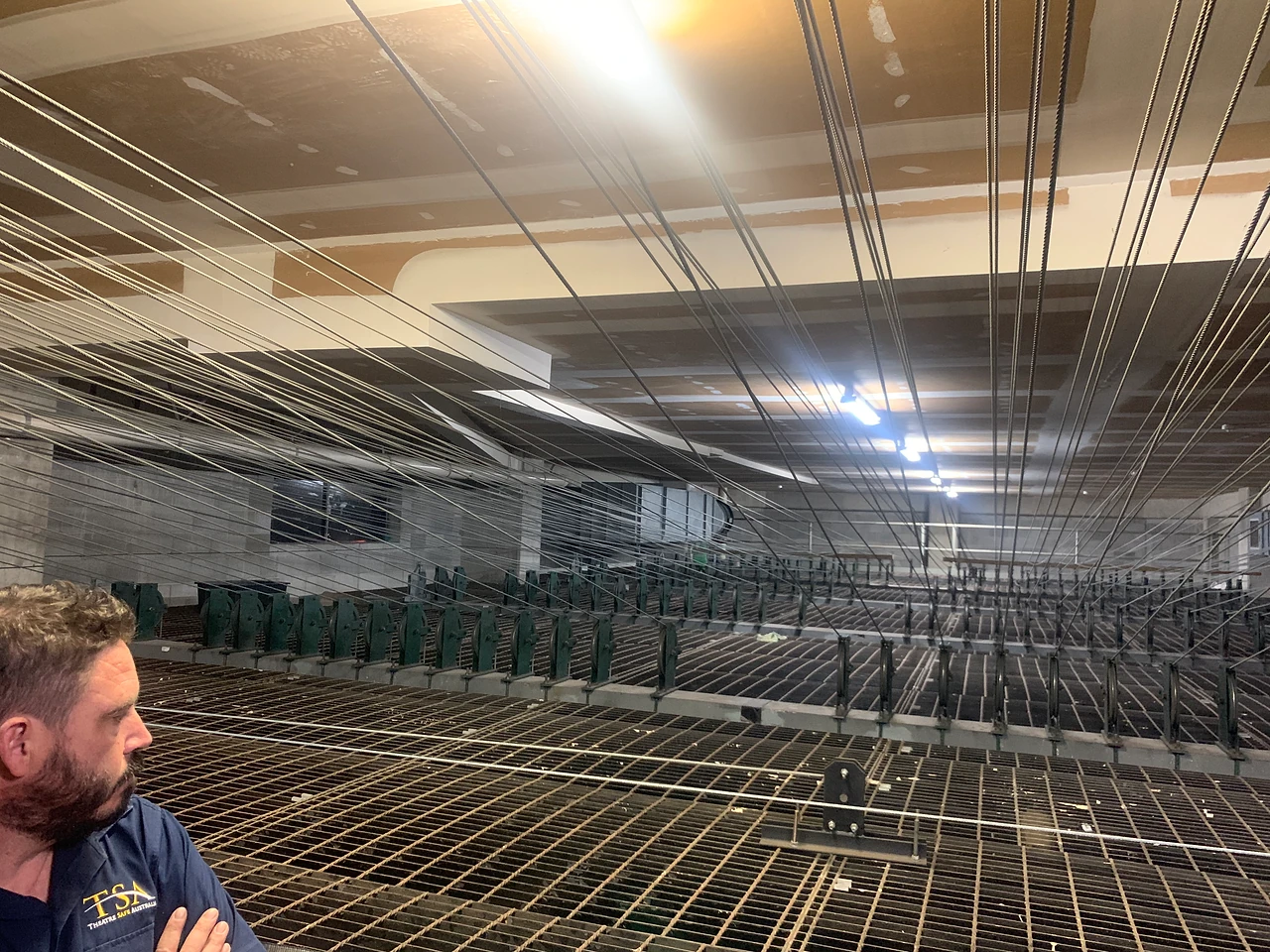
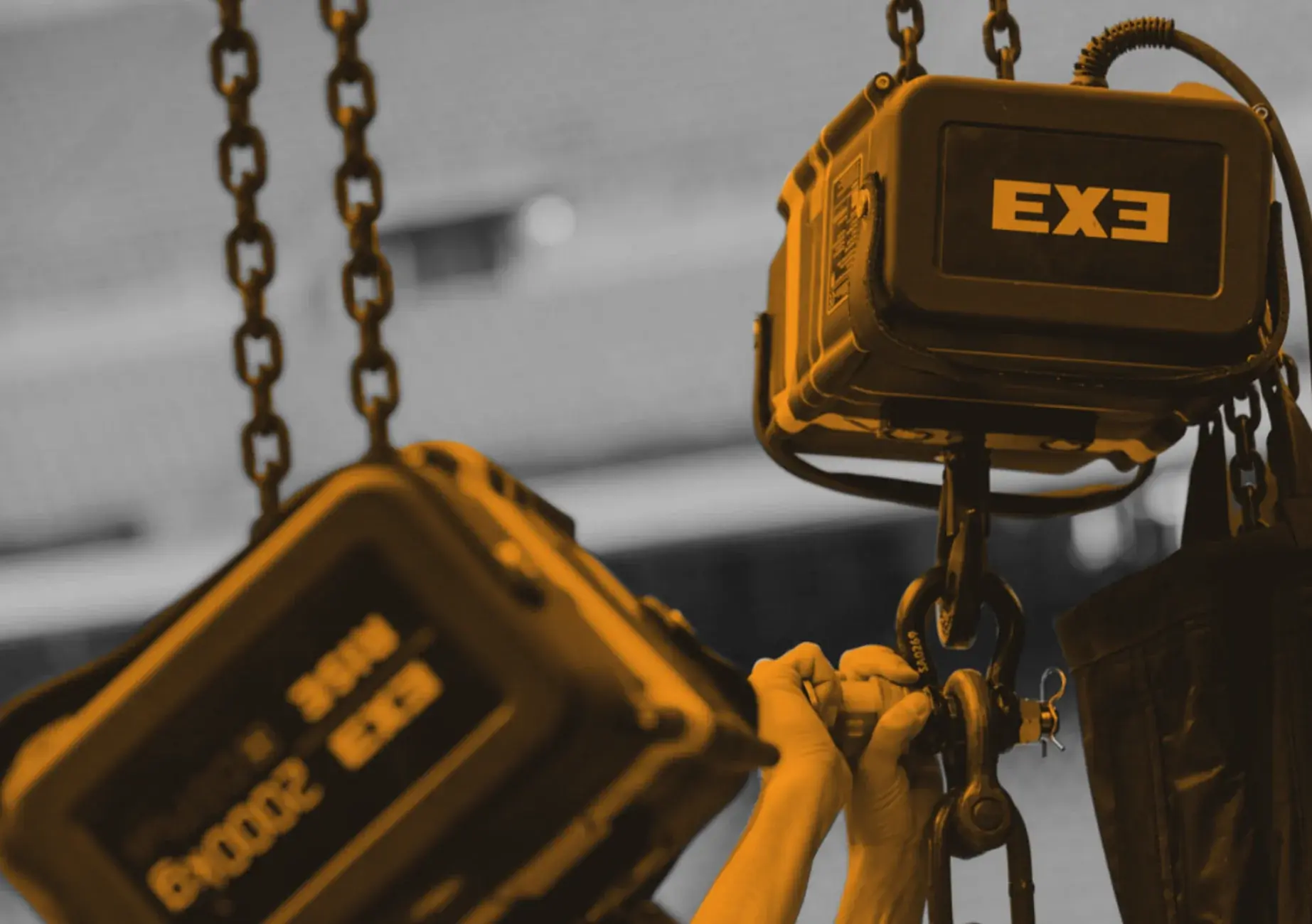
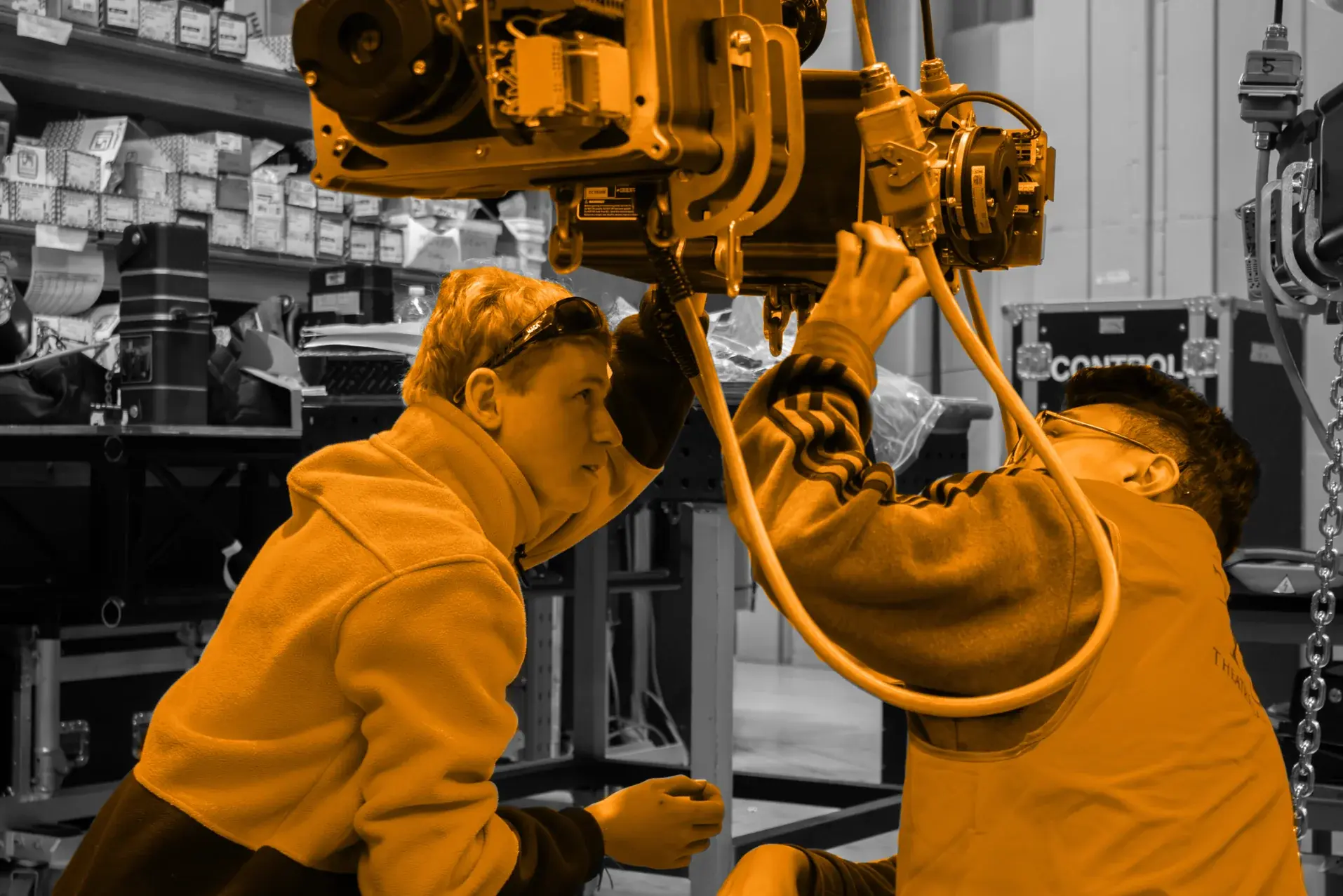
The 2026 inspection ran across five days in January with two TSA inspectors on site. Every one of the 34 counterweight lines was assessed individually, along with the orchestra pit lift, the panorama winches, chain hoists, the overhead grid and the motor control systems, against AS1418, AS2550 and the manufacturers' specifications.
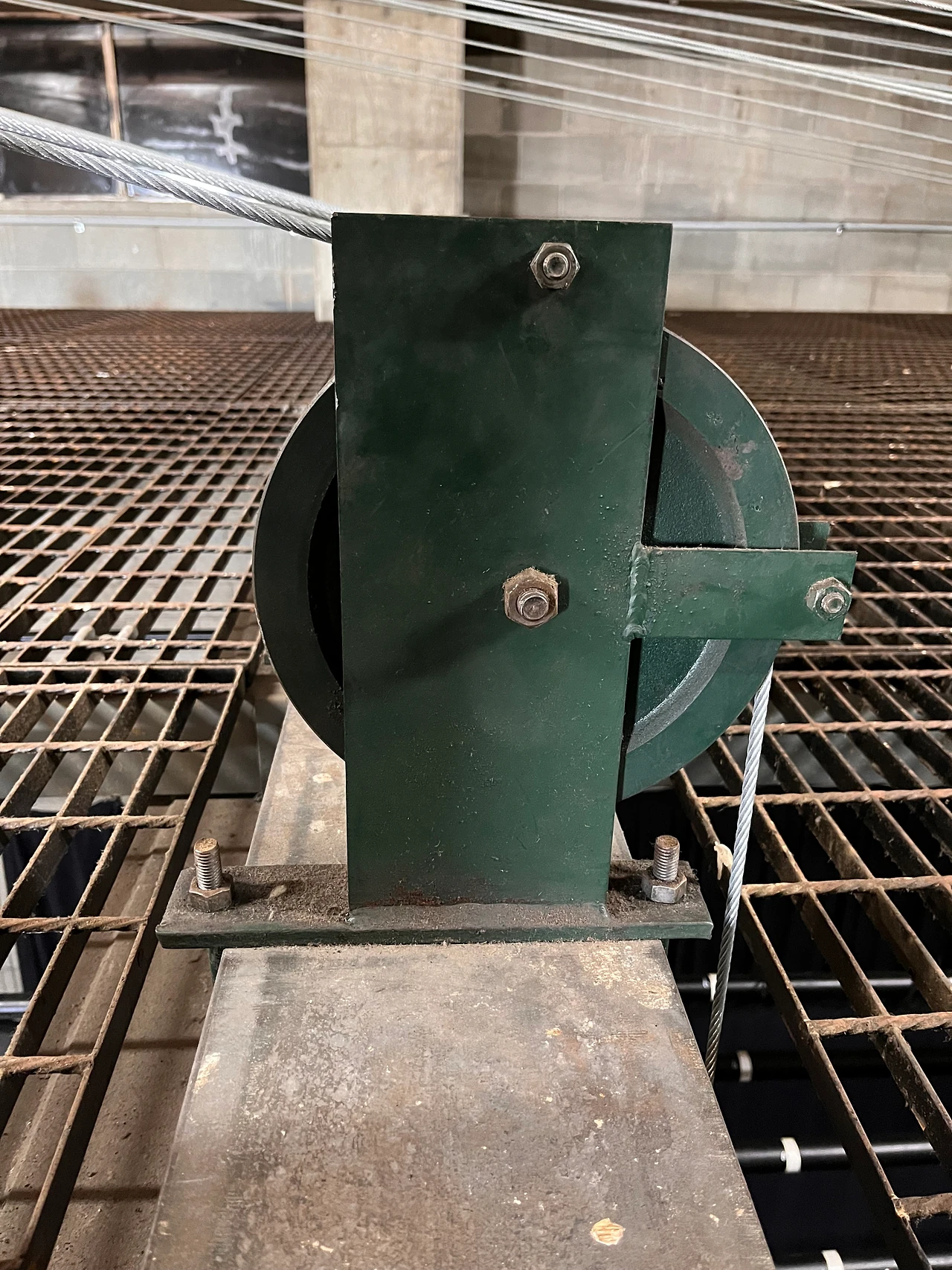
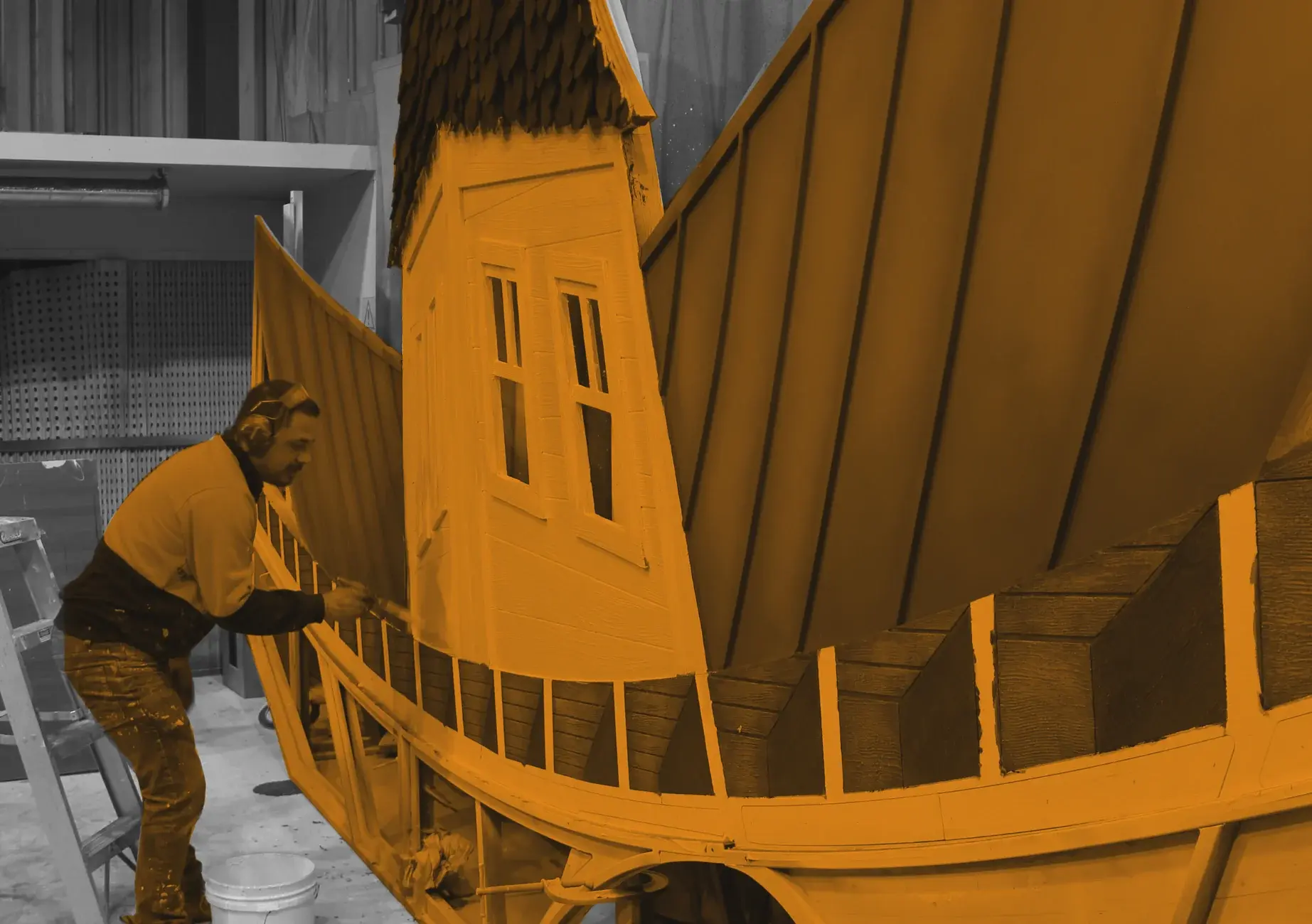
An inspection that ends at the report leaves the venue holding a list. The same relationship covers the work that follows, so Gladstone has had fly system rectification and orchestra pit rectification carried out by the people who identified the need for them, with replacement rigging equipment supplied through the same channel.
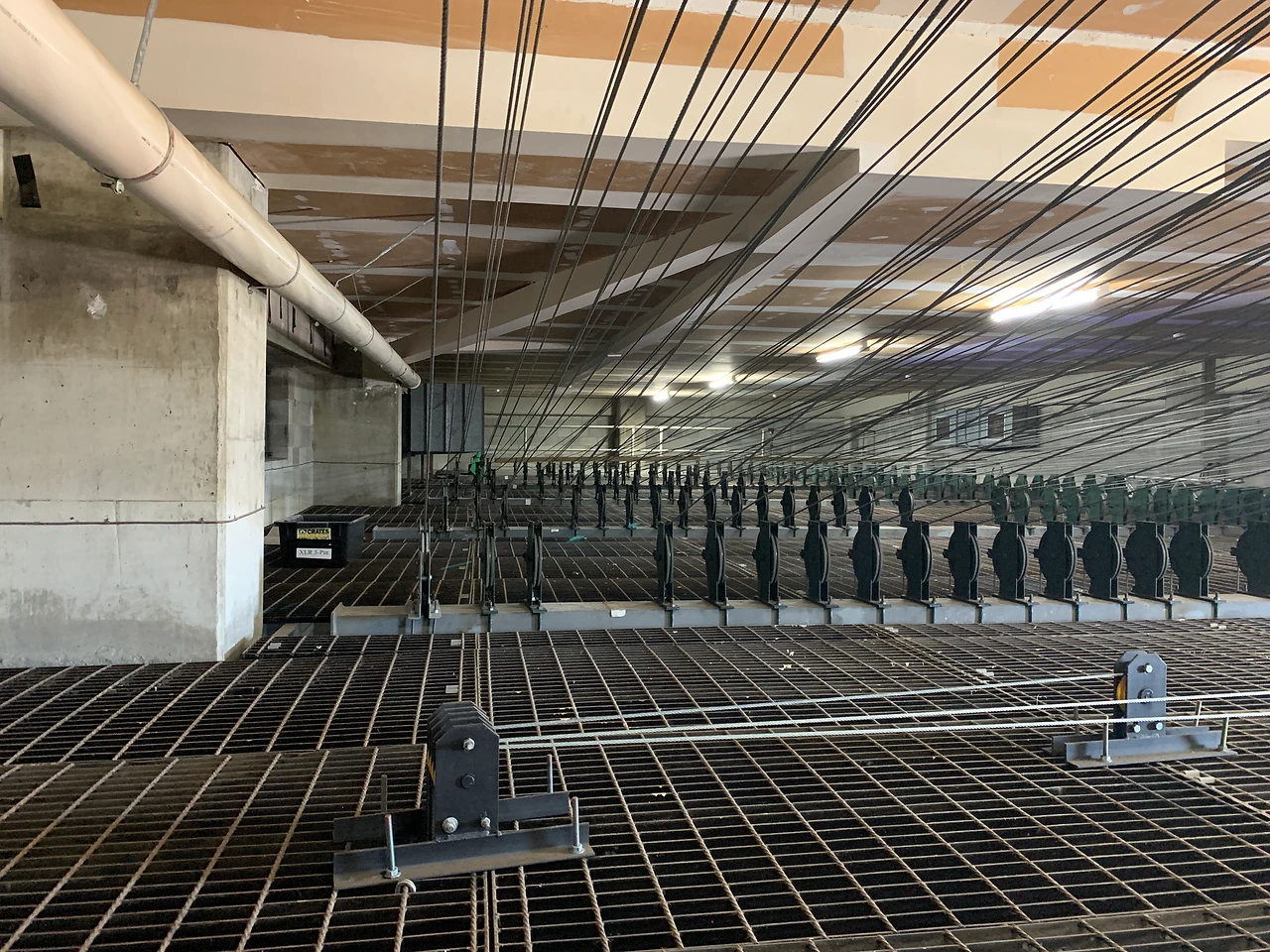
Each inspection closes with individual certificates and a report in a consistent format, so the council can compare one year against the last rather than reading each one cold. That record is what turns a compliance obligation into lifecycle planning, and it is why the documentation matters as much as the spanner work.
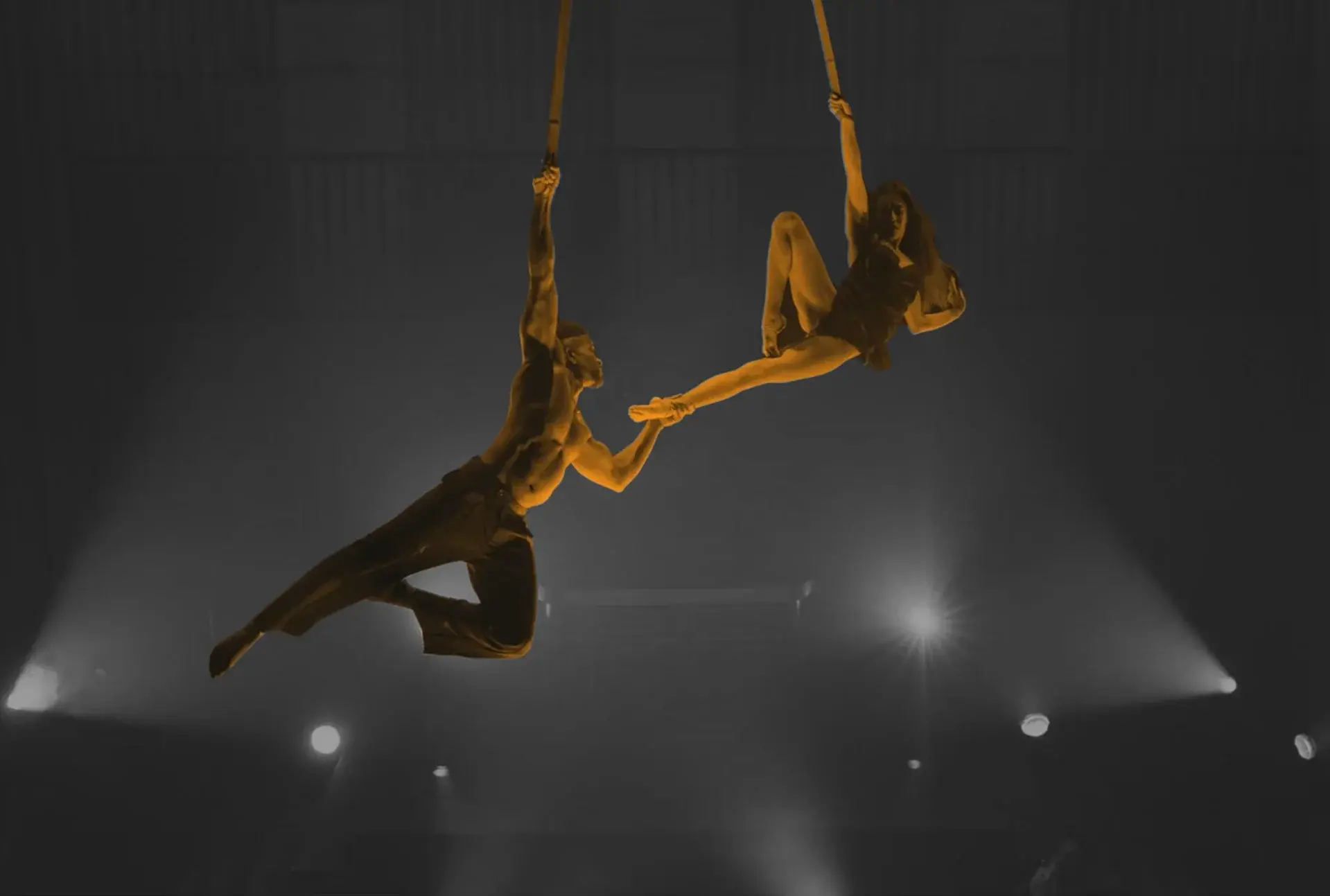
TSA has held the stage machinery contract at Gladstone across three consecutive terms since the 2020 tender, and is contracted through to 2028. In that time the work has widened from inspection into rectification, equipment supply and production support, including performer flying for the venue's 2026 community musical.
That is the whole argument for an annual programme rather than a callout. The venue keeps its productions running, the council can budget against a known picture instead of a surprise, and the people who know the system are the same ones who show up next January.
If your stage machinery is inspected when something goes wrong rather than on a schedule, that is the conversation to have. One visit, one report, and a picture you can budget against.