


Who is allowed to do what when you hang, sling or fly a load - and what needs a licence?
Rigging · Explainer
Updated 22 Jun 2026
Rigging
Competency
What is rigging? Dogging, basic, intermediate, advanced.
Not every job that hangs something is licensed rigging. Here's the competency ladder - what sits outside it, and the four rungs above, with the theatre tasks that land on each.
Hanging lights or drapes from a fixed point is not licensed rigging. Slinging a load to a hoist is.
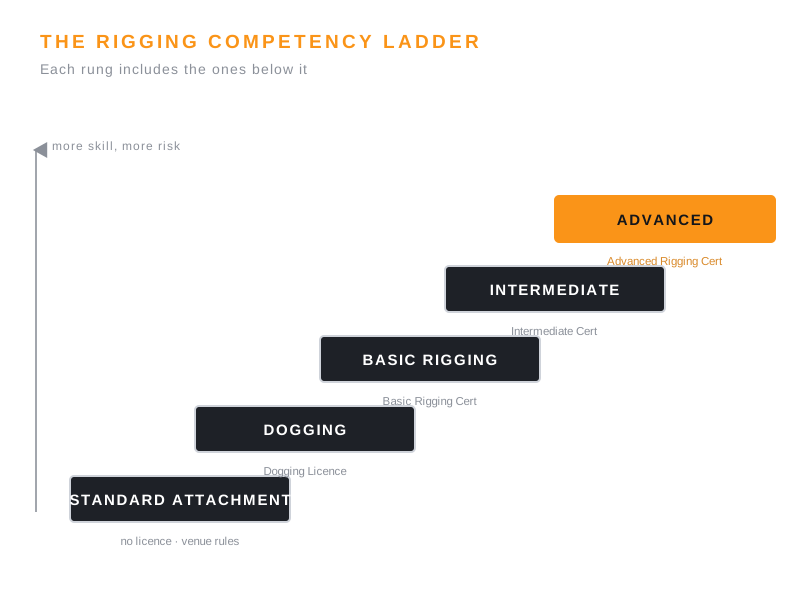
Dogging, then basic, intermediate and advanced rigging. Each is a licence built on the one below.
Running installed machinery is competency, not a licence. How loads are attached is where rigging starts.
Pressing the button to fly a bar is operation. How the load got onto the bar is where the licence question starts.
Not every hang is licensed rigging.
WHS regulation draws a line between attaching things to a system that already exists and rigging a load. Cross that line and the work needs a High Risk Work Licence. Stay on the near side and it is competency-and-venue-policy work, not licensed rigging - though the venue's own rules still apply.
The cards below are the three broad bands; the table breaks the licensed work into its four rungs. This is general orientation, not legal advice - what triggers a licence varies by state and equipment, so confirm the specifics with your state WHS regulator. For the lifting gear itself, see our AS 4991 lifting equipment explained primer.
Standard attachment
Attaching items to a system that already exists, by a standard method. Often called theatrical rigging, but it sits outside the WHS rigging definition.
Covers
Lighting and AV on a hook clamp, drapes at a dedicated point, running cables.
Gate
Training, competency and venue procedures - no licence required.
Watch
A venue can be stricter than the law. Respect its policy.
Dogging
Applying slinging techniques to lift gear, and directing a crane or hoist operator. This is usually where the licence question begins.
Covers
Sling a truss to a hoist, hang scenery with shackles, non-proprietary AV rigs.
Gate
A Dogging Licence and relevant experience.
Builds into
Every rigging certificate above covers dogging too.
Rigging tickets
The three High Risk Work rigging classes, each building on the one below it for more complex and higher-risk work.
Covers
Hoist systems, fly systems, performer flying, aerial acts and span lines.
Gate
A Basic, Intermediate or Advanced Rigging Certificate.
Watch
Competency is the ticket plus real live-entertainment experience.
| Tier | Licence / ticket | Theatre examples |
|---|---|---|
| Standard attachment | None (venue rules) | Hang lighting and AV from a hook clamp, attach drapes, run cables |
| Dogging | Dogging Licence | Sling a truss to a hoist, hang scenery with shackles |
| Basic rigging | Basic Rigging Certificate | Hang a single hoist, install suspension points, set flying lines and winches |
| Intermediate rigging | Intermediate Rigging Certificate | Multiple hoist systems, AV rigs on multiple blocks, power-assisted fly hoists |
| Advanced rigging | Advanced Rigging Certificate | Fly performers, circus and aerial acts, guide structures and span lines |
Operation is not rigging.
There is a second line that matters as much as the first: the line between operating installed stage machinery and rigging a load. Operating the hoists, bars and control system a venue already has is gated by training and competency, not by a High Risk Work Licence. A trained operator runs the kit inside the safety limits it was built with.
Rigging is different. The hanging of equipment from those bars - how loads are attached and suspended - can be classed as rigging under WHS law, and rigging is licensed work.
So pressing the buttons to fly a bar is operation; getting the load onto the bar is where the licence question lives. Where exactly the line falls depends on the work and the jurisdiction - and on the venue's own policy, which can be stricter than the law.
Dogging, then three rigging tickets.
Once a job crosses into licensed work, it climbs four rungs. Each one includes everything below it:
- Dogging. Slinging a load and directing the crane or hoist operator - the foundation ticket under all the rigging classes.
- Basic rigging. Covers dogging plus hanging a single hoist, installing suspension points, and setting temporary or permanent flying lines, winches, chain blocks, motors or a mechanically lifted truss.
- Intermediate rigging. Covers dogging and basic plus multiple hoist systems with individual or collective control, AV rigs on multiple chain blocks, and power-assisted hoists in theatre flying systems.
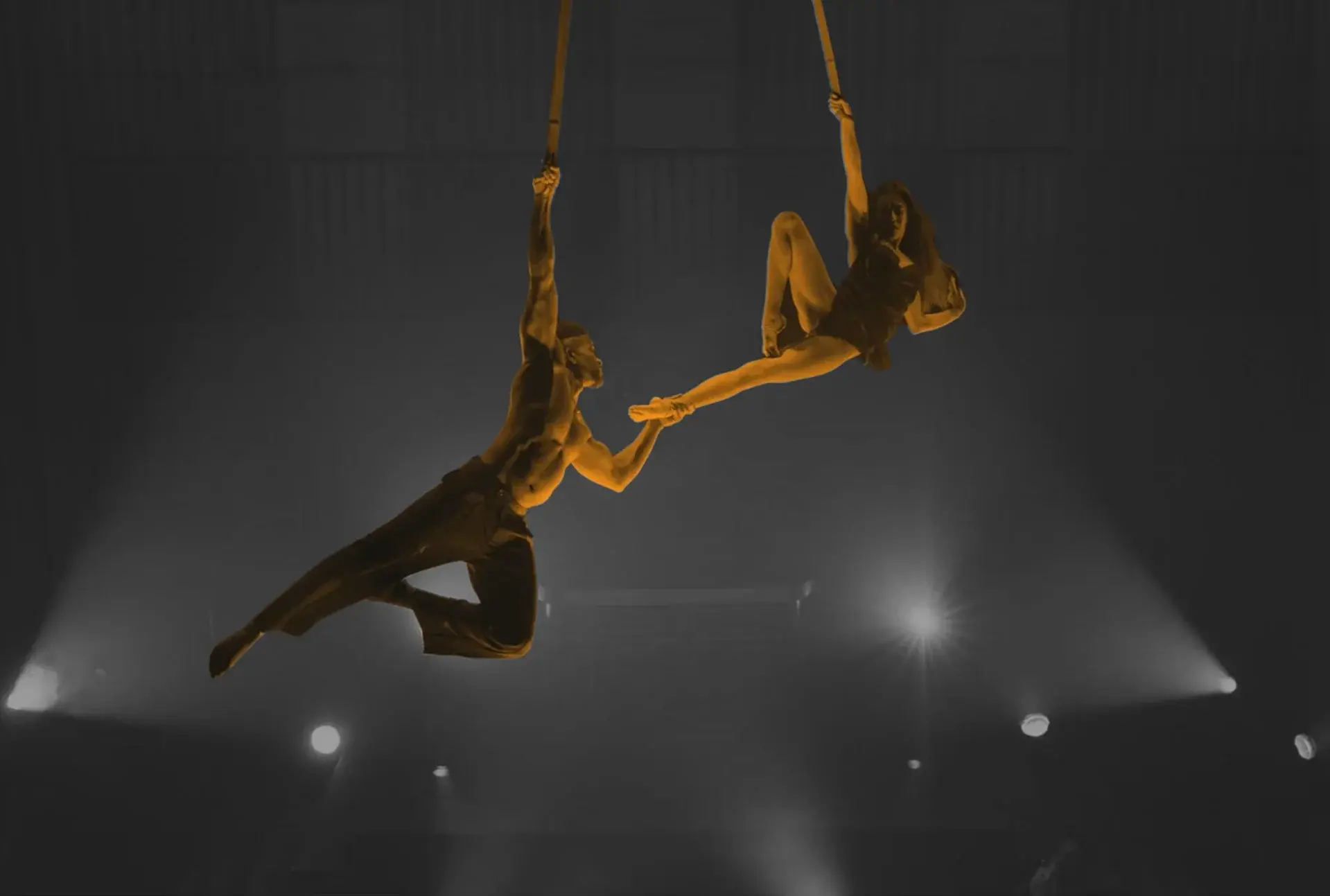
- Advanced rigging. Covers everything below plus high-risk work - flying performers, circus and aerial acts, temporary guide structures and span lines, and safety systems for followspot operators working at height.
Two things sit over the whole ladder. Competency is the ticket plus experience - the certificate is the floor, not the finish line, and real live-entertainment time is what makes someone competent. And the rules change, so training and certification have to stay current.
If you are not sure which rung a job sits on, treat it as the higher one until someone qualified confirms otherwise.
The certificate is the floor, not the finish.
A licence says someone has passed the test for a class of work. Competency says they can actually do it on your stage, with your kit, under show pressure. The two are not the same, and the gap between them is experience.
So read the ladder from the bottom up. Most theatre work lives in the lower rungs; the high-risk classes - performer flying, aerial, span lines - are specialist work that should never be improvised up to. A team builds toward them over years, not over a weekend course.
The rule of thumb the trade uses: if in doubt - stop, think, question. No one qualified will think less of a crew for checking which rung a job sits on.
We train your team to competency.
TSA does not just install a system and walk away. The model is to train the venue's or production's operators to competency and hand over - so the people running the kit day to day are trained on that exact system and its safety features.
For licensed rigging work, our ticketed riggers carry the dogging and rigging classes the job needs, and we document who did what. For the operation side, train-and-handover covers the competency that keeps a venue running safely between visits - the practical answer to operator turnover.
We've got the tickets. You've got the show.
Not sure which ticket a job needs?
Talk to the team
Check your venue
Talk to our team about your rig.
Tell us the work and the venue, and we'll tell you what competency or licence it calls for - and bring the ticketed crew if you need them. Australia wide.
Start a conversationVenue Readiness Scorecard.
A quick self-check on where your stage systems and safety cover actually stand - and what to prioritise next.
Open the scorecard