



The tag says 2 tonnes - but is that still true at the angle and hitch you are actually using?
Rigging · How-to
Updated 22 Jun 2026
Rigging
Slings
How to read a sling. Tags, angles and hitches.
The number on a sling tag is only the start. How you hitch it, and the angle you pull it at, change what it can safely carry. Here's how to read all three.
A WLL tag carries the rating, the angles, a serial number and a date of test. Read all of it.
Direct is 100% of the WLL. A choke is less. A basket can be more - within the angle limit.
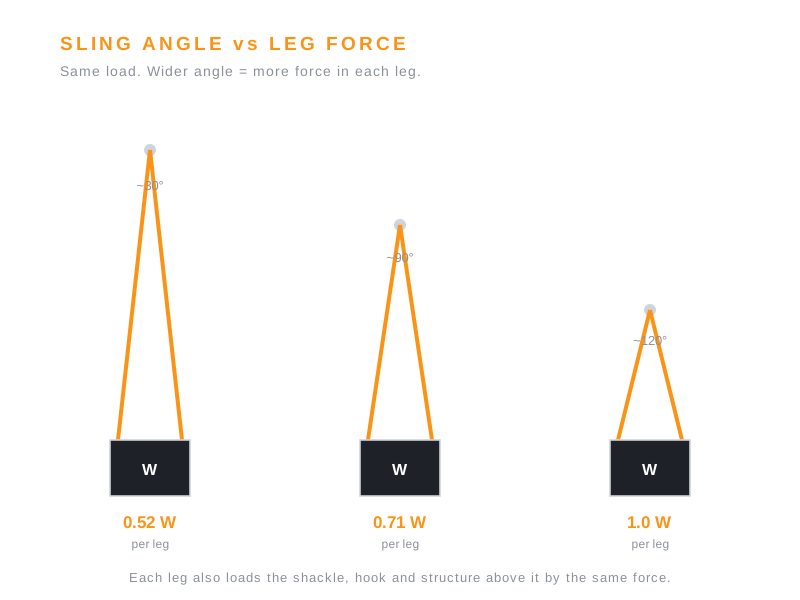
The wider the angle between legs, the more force on each leg. Narrow angles are safer.
The tag is the truth at the angle it was written for. Change the angle, and you have changed the number.
Three hitches. Three different limits.
A sling does not have one WLL - it has one for each way you can rig it. The same sling pulled straight, choked around a load, or basketed under it carries three different safe limits. Reading the tag means knowing which one you are using.
The cards below are the three hitches; the table shows how each changes the rated figure. The numbers are a guide - the multipliers printed on your sling's tag, or in the manufacturer's table, are the ones that govern. For the concept behind the rating itself, see what WLL means.
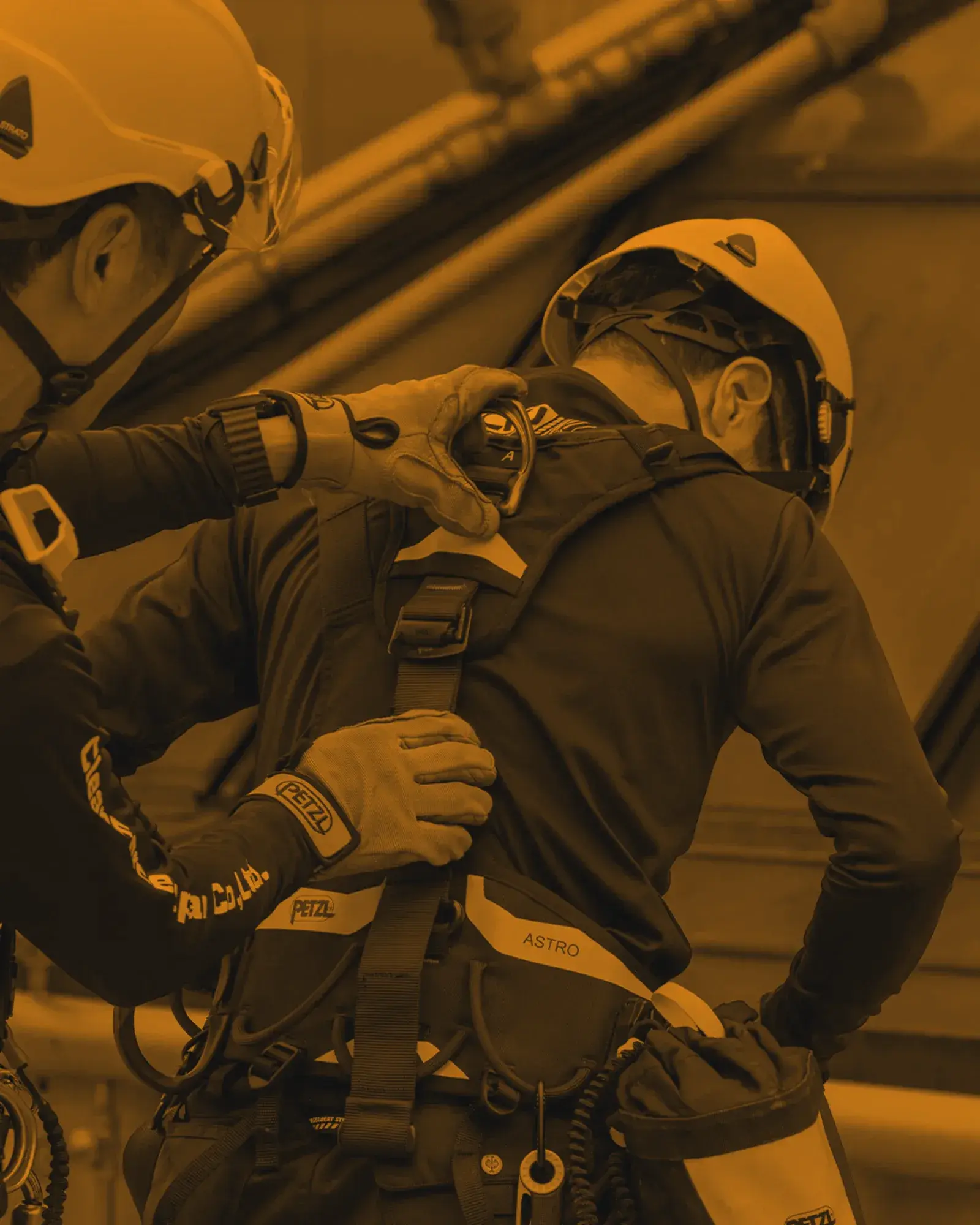
Direct / straight
A single straight pull from a fixed point. This is the rated WLL on the tag - the baseline every other hitch is measured against.
WLL
100% of the tag rating.
Use
A single vertical pick.
Note
The simplest, and the reference for the rest.
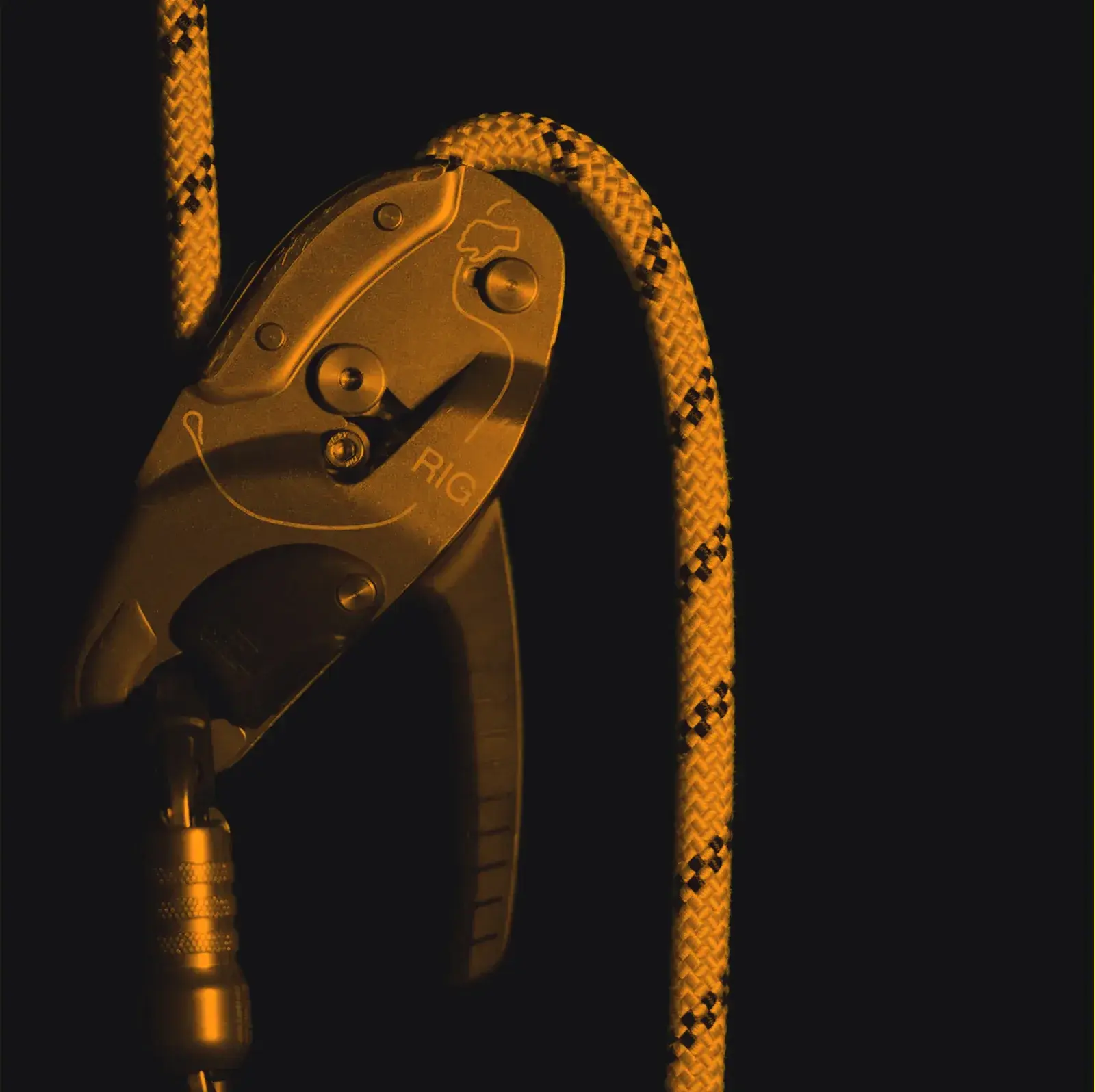
Choke
The sling passes through its own eye and grips the load. The sharp bend where it chokes reduces the safe limit below the straight-pull figure.
WLL
Less than direct (often around 80%).
Use
Gripping a load that could otherwise slide.
Note
The tighter the choke angle, the bigger the reduction.
Basket
The sling cradles the load with both legs running up to the hook. Two legs share the weight, so the limit can be higher than direct - but only while the legs stay near vertical.
WLL
Up to twice direct, angle permitting.
Use
Cradling a stable load that will not tip.
Note
Widen the legs and the gain disappears fast.
| Hitch | Effect on WLL | When to use |
|---|---|---|
| Direct (straight) | 100% of the tag rating | A single vertical pick |
| Choke | Reduced (often around 80%) | Gripping a load so it cannot slide |
| Basket | Up to twice direct, if legs stay near vertical | Cradling a stable load |
| Sling angle | Wider angle = more force per leg | Check the angle on every hitch |
Everything you need is on the tag.
Before any of the maths, read the tag. A compliant sling tag is not decoration - it is the legal and practical record of what the sling can do. If it is missing or unreadable, the sling is out of service until it is re-certified. No exceptions.
A WLL tag carries the application (single leg or multi-leg), the WLL at the different angles of lift, the serial number, and the date of test. Chain slings add the manufacturer's mark, the grade of the chain and components, and the size.
Match the serial number on the tag to the sling's inspection record and you have traceability - the thread that ties this exact sling to its test history.
The angle is doing more than you think.
Sling angle is the quiet multiplier. The same load, slung at a wider angle, puts far more force through each leg and through the rigging above it:
- Narrow angles are safer. Legs close to vertical share the load near-evenly, so each leg carries close to half the weight. This is the configuration to aim for.
- Wide angles multiply the force. As the angle between the legs opens up, the tension in each leg climbs - well past half the load - even though the weight has not changed. At very wide angles the force can exceed the load itself.
- The force travels upward. That increased leg tension does not stop at the sling. It loads the shackle, the hook and the structure above by the same amount. A wide-angle pick overloads everything in the chain, not just the sling.
- Read the WLL at your angle, not the vertical one. The tag lists the rating at different angles for exactly this reason. Use the figure for the angle you are actually rigging.
The rule of thumb: keep the included angle between legs as narrow as the pick allows, and never assume the vertical rating holds once the legs spread.
Same load. More force.
The diagram makes the point that words struggle to. One load, three sling angles. As the legs spread from near-vertical to wide, the force in each leg climbs - from roughly half the load, to more than the load itself at the widest angle shown.
Nothing about the weight changed. Only the geometry did. That is why a rigger reaches for the WLL at the working angle, and why padding a sharp corner block to keep angles in check is not fussiness - it is load management.
When the geometry gets complicated - multi-leg picks, bridles, uneven loads - it stops being a rule of thumb and becomes an engineering question. We work those out and document them.
Every sling we supply is tagged and traceable.

Every sling TSA stocks carries a compliant WLL tag, a serial number and a test certificate - the angles, the rating and the date all where you can read them. When a tag wears, we re-certify rather than guess.
On an inspection, reading and verifying those tags is part of the job, and any sling whose tag is gone or whose rating no longer holds comes out of service and gets logged. The result is a rigging inventory you can trust at the angle you rig it - tied to our Venue Systems Health Check.
We've got the tags. You've got the show.
Tags worn, or not sure what's still rated?
Book the team
Quick reference
Book a Systems Health Check.
We read and verify every sling tag, re-certify what's worn, pull what's failed, and hand you a traceable inventory. Australia wide.
Book the checkWLL chart for fly systems.
A fast lookup for the working load limits across a theatre fly system - bars, lines and hardware.
Open the WLL chart