









Dry, ventilated, off the floor. Moisture is the single biggest threat to the fabric and the FR rating.
Drapes · Maintenance
Updated 12 May 2026
Drapes
Maintenance
How to care for stage drapes, and when to let them go.
A five-step routine that protects the fabric, holds the fire rating, and gives you a defensible position at the next compliance audit - plus the observable signals it is time to retire.
Dry method first, top-down with the nap. Most stage drapes are dry-clean only.
No tape, no pins, no stage debris. Contamination weakens fibres and flags the drape at audit.
Inspect annually against AS 1530.2. Six observable signals tell you when care can no longer save the drape.
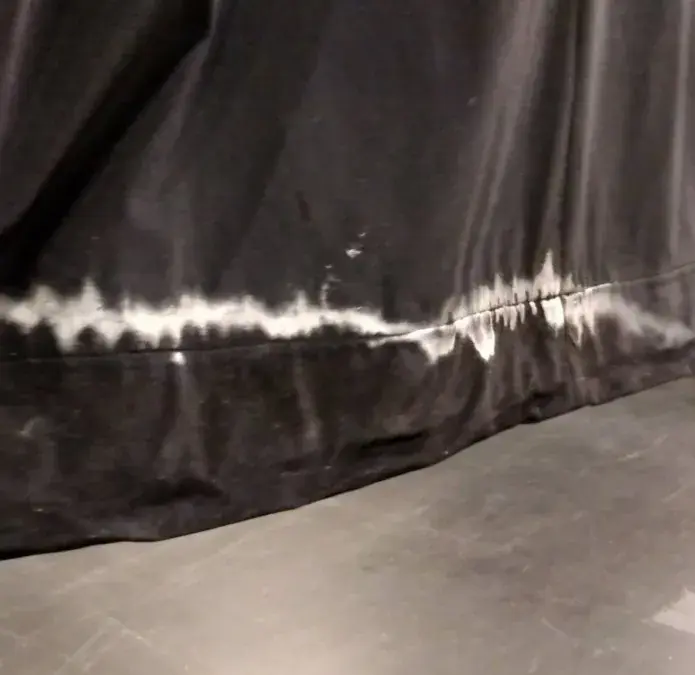
A white tide-mark along the bottom hem is not dirt. It is the FR treatment leaching out, and it means the drape will not pass an AS 1530.2 test until it is retreated.
Start with the fabric, the fire rating, and the paperwork.
Stage drapes are one of the most expensive soft assets in a venue, and one of the most quietly mistreated. Crew shake them out, tape pins onto them, store them damp after a season-end strike, and assume the FR certificate from the last fit-out still applies. It usually does not.
Stage drapes in Australia are tested against AS 1530.2, the vertical burn test that produces a Flammability Index. The accepted threshold is FI at or under 10 in Australia, at or under 6 in New Zealand. Non-durable (NDFR) and durable (DFR) treatments degrade with moisture, washing, and time, and the published retreatment cadence is 2 to 3 years depending on use intensity and exposure.
A drape without a current certificate sits outside compliance regardless of how it looks. The routine below shows how to care for stage drapes in a way that protects the fabric, holds the fire rating, and gives you a defensible position at the next audit.
Stage drape maintenance, step by step.
This is the routine TSA recommends to in-house crews and visiting technicians. It assumes a mixed-fabric inventory - wool serge, velvet, molton, cyc cloth, scrim - and an annual production calendar. Run it as standing protocol, not an emergency response.
Store dry
Moisture is the single biggest threat to a drape's lifespan and its FR rating. Wool serge can shrink up to 3% if it gets wet. Store on hanging bars or rolled on tubes in a dry, ventilated space. Never bag drapes damp after a wet strike.
Watch out
A salt-tide line at the hem is FR treatment migrating out of the fabric, not dirt. Log a rained-on or humid-stored drape for inspection before the next hang.
Clean correctly
Most stage drapes are dry-clean only - wool serge, velvet and velour all carry shrink and pile-damage risk if washed. Routine cleaning is a soft brush or a vacuum with a drapery attachment, worked top-down with the nap. Spot-clean dry first; only escalate to a wet treatment if the spec permits.
Watch out
Any wash, wet-clean or spot-soak on an NDFR or DFR drape resets the FR clock. Book the retreatment before the drape goes back into service.
Keep it clean
Gaffer tape, spike tape, safety pins and sticky-back signage all leave residue that weakens fibres and creates a permanent contamination point. Brief touring crews on a no-tape, no-pin protocol before the bump-in. If something must attach, use a sewn-in pocket, a tied-on weight, or a clip rated for the fabric.
Watch out
Tape residue stays visible under stage light long after the tape is gone, and marks the drape as contaminated in any insurance or compliance assessment.
Inspect on a schedule. Catch moisture early.
The final two steps of the routine are the ones crews skip: inspect annually as standing protocol, and re-inspect after any event that could have compromised the fabric or the FR layer - a wet strike, a pyro incident, a lamp burn, a major touring bump-out.
Damp storage breeds mildew, shrinks wool, and pulls NDFR treatment to the hem in the form of a visible salt-tide line. On the stage-facing surface, repeated exposure shows up as discolouration and dye fade long before the upstage face looks tired.
Document the inspection in writing and keep it with the venue's compliance pack. A drape that has not been inspected in three years is a drape you cannot defend at audit.
Watch outMoisture is the worst thing for stage drape storage. Storage that holds both the fabric and the fire rating is dry, ventilated, off the floor, and free from contact with concrete or untreated timber.
When the dye is gone, not dirty.
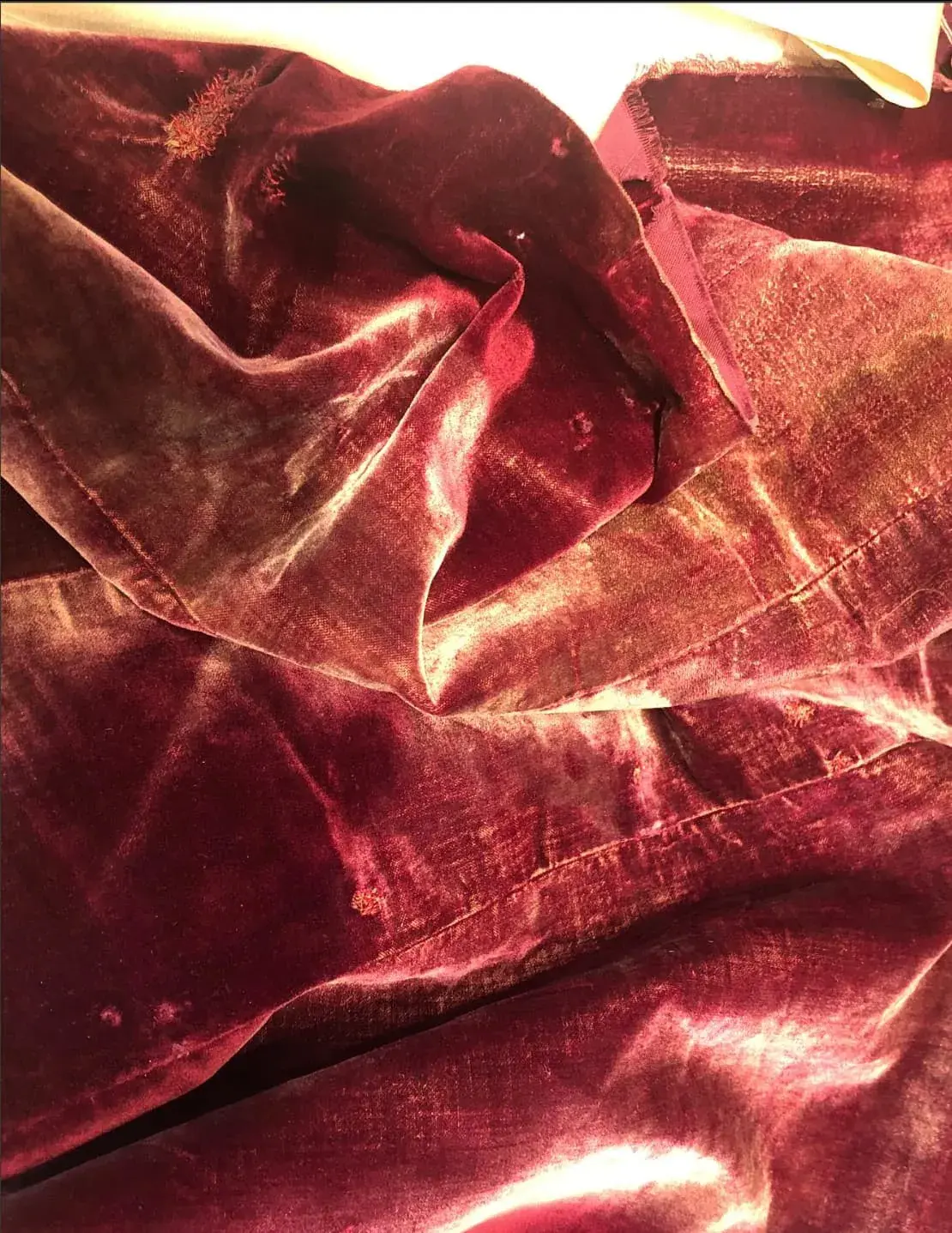
A well-cared-for drape can stay in service for many years. The flip side of knowing how to care for stage drapes is knowing when care will no longer save them.
Discolouration or dye fade on the stage-facing surface is a clear signal, especially when the upstage face still looks healthy. The dye is gone, not dirty. Sagging pleats or a loss of fullness that does not recover after a dry-clean and a fresh hang is the same story told a different way - the fabric has lost its hand.
These signals are condition-based and observable. You can self-diagnose most of them with a torch and a step ladder before you ever pick up the phone.
Retire the drape when you see these signals.
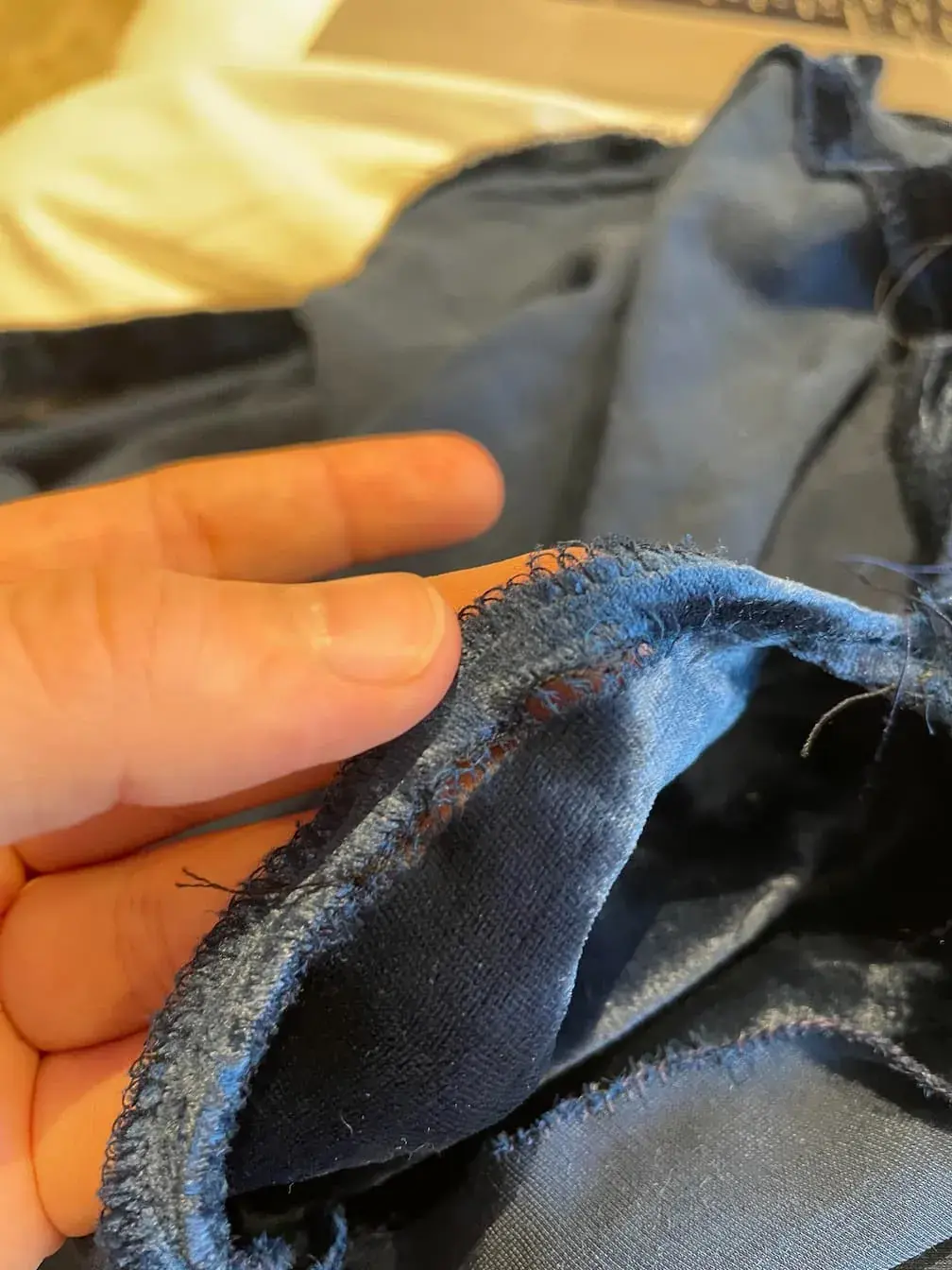
Eventually, every drape reaches a point where the responsible call is to retire and replace. Frayed seams or torn panels along the bottom hem, the leading edge, or the header webbing are the structural end of the line - once the seam is gone, repairs are cosmetic. A small scorch, burn or melt mark from a pyro mishap or a lamp burn signals the drape has been compromised across its width.
Still unsure? TSA can inspect on site and report against AS 1530.2. We will tell you straight whether the drape has another five years in it, or whether the cost of retreatment is no longer defensible.
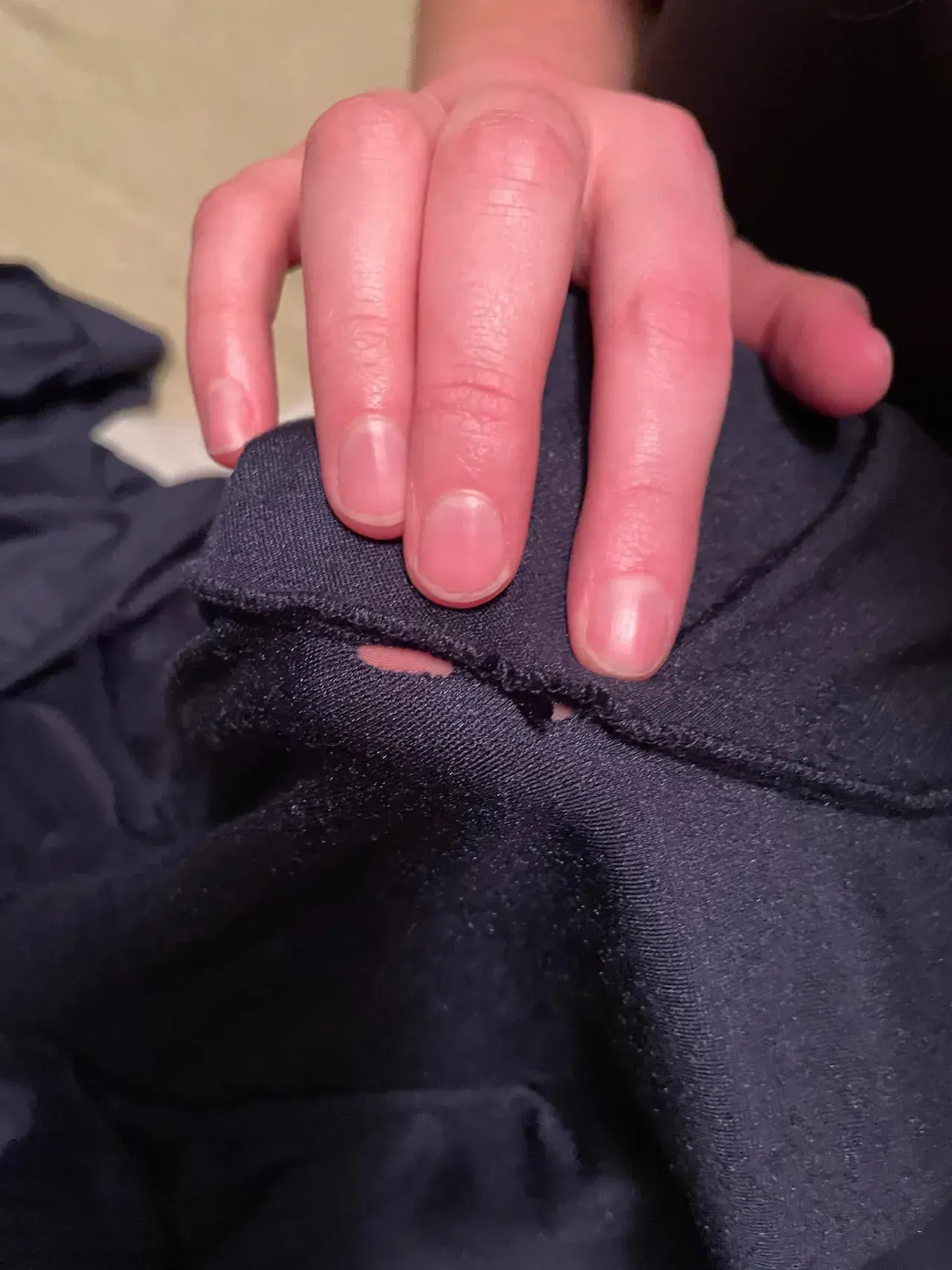
- Frayed seams or torn panels along the bottom hem, the leading edge, or around the header webbing. Once the structural seam is gone, repairs are cosmetic.
- Salt-tide staining wicking up from the bottom hem - the visible signature of NDFR treatment leaching out after moisture exposure.
- Sagging pleats or loss of fullness that does not recover after a dry-clean and a fresh hang. The fabric has lost its hand.
- Discolouration or dye fade on the stage-facing surface, especially when the upstage face still looks healthy. The dye is gone, not dirty.
- A failed or expired AS 1530.2 result with no retreatment option on the spec, or a substrate too far gone to retreat.
- Visible scorch, burn or melt damage from a pyro mishap, a lamp burn, or a heat event. Even a small mark indicates the drape has been compromised across its width.
We've got your back on the hard-to-keep-on-top-of parts.
Drape care is not glamorous work, and it is rarely anyone's full-time job inside a venue. We have your back on the parts that are hardest to keep on top of - the scheduled inspection, the FR retreatment, the documented certificate trail, and the honest assessment when a drape is past saving.
The Venue Systems Health Check covers drapes, tracks, rigging, hoists and controls in a single audit, so the compliance pack lives in one place and the next production starts from a known position. Our stage drape range is supplied with an AS 1530.2 treatment certificate at handover when the time comes to replace.
We've got your stage. You've got your show.
Want a straight read on the drapes already hanging in your venue?
VSHC
One visit · one report
Book an inspection
Explore the range
Venue Systems Health Check.
Drapes, tracks, rigging, hoists and controls inspected against the standards in a single audit. We test, we report, we tell you what has another five years in it and what does not.
Book a Health CheckStage drapes, scrims & soft goods.
Wool serge, velvet, PolyCyc, blockout, sharkstooth - supplied with an AS 1530.2 certificate at handover when it is time to replace.
Browse drapes at TSA